
Affiliate disclosure: Some links in this guide may be paid referral links. If you purchase or sign up through one, One Stop Side Hustles may earn a commission. How our affiliate links work.
CONSULTING STARTER GUIDE
Learn how to transform your professional experience, industry knowledge, or specialized skills into a consulting business. Whether you've spent 10 years in corporate or learned something valuable through your own entrepreneurial journey, you have something people will pay for.
3. Choose Your Niche & Services
4. Earnings, Pricing & Offer Selection
5. Essential Tools & Your Starting Setup
6. Find Clients & Reach Your Audience
7. How to Start: Your Beginner Roadmap
8. Build Trust & Improve Results
9. Learning Resources & Templates
10. Your First 6 Months in Consulting
11. Get the Consulting Starter Kit
12. Frequently Asked Questions
Quick Snapshot
Earn: $100–$500+/hr, scaling to retainers and high-ticket
Work: Advise clients on calls, on your own schedule
Start: Low cost — Zoom, Stripe, and a clear offer
Best for: Experienced pros with in-demand knowledge
Grow: 1:1 calls → packages, retainers, group programs
1. What Is Consulting?
Consulting is offering expert advice, guidance, strategies, or specialized knowledge to individuals or businesses in exchange for payment. Unlike traditional employment where you trade time for hourly pay, consultants get paid based on the value they provide.
You're essentially getting paid to think, advise, and solve problems—not to do the actual implementation (though you can charge for that too).
🔄 How It Works (Simple 4-Step Process)
- Identify your expertise (what you know that others struggle with)
- Set your offer (what specific problem you solve and your price)
- Market yourself (tell people you help with that problem)
- Deliver results (calls, strategy sessions, audits, recommendations)
🎯 KEY TAKEAWAY
You don't need to be the world's top expert. You just need to know more than your target client and be able to communicate it clearly. Being 5-10 steps ahead is enough.

2. Why Choose Consulting?
Consulting is one of the fastest ways to turn what you already know into premium income, because clients pay for clarity, strategy, and results — not just hours worked.
💰 High income ceiling
Consulting has strong upside because even beginner offers can grow quickly:
- Hourly consulting
- Paid strategy sessions
- Project packages
- Monthly retainers
As results improve, pricing can rise much faster than in hourly-only side hustles.
🧠 You are paid for expertise
Your value comes from helping people solve problems faster and with less trial and error.
Clients usually pay for:
- Diagnosis
- Clear recommendations
- Better decisions
- Proven frameworks
That makes your thinking the product.
💻 Low startup cost
You can launch consulting with a simple setup:
- Video call software
- Payment processor
- Clear service offer
- Basic intake or booking system
There is no inventory, office, or big equipment requirement to begin.
⚡ Fast path to first revenue
Consulting can often create meaningful early income faster than many side hustles because clients pay to solve active problems now.
That means one good client can matter more than weeks of low-value gig work.

🕒 Flexible around your schedule
You can control:
- How many clients you accept
- Which offers you sell
- When you take calls
- How much implementation you include
This makes consulting easier to build part-time around work or family.
🤝 Referrals can grow the business quickly
Consulting is highly trust-based, so one strong result can lead to:
- Warm introductions
- Repeat projects
- Ongoing retainers
- Better-fit clients
That makes reputation one of the most valuable growth drivers.
📈 It can scale beyond 1:1 calls
You do not have to stay stuck in hourly work forever.
Consulting can expand into:
- Audits
- Roadmaps
- Group consulting
- Templates or digital products
- Retainers and advisory offers
🌍 Works in almost any niche
If you understand a real problem and can help a specific type of client solve it, there is often a consulting offer there.
The key is packaging your knowledge into a clear promise and clear outcome.
3. Choose Your Niche & Services
Consulting can range from broad strategy support to high-value niche expertise for one specific audience. The smartest beginner move is to focus on a narrower client type and one painful problem, then expand later once your positioning, proof, and process are stronger. You do not need to serve everyone. Focus first on consulting work where you can explain the problem clearly, show relevant experience, and deliver a real result.
📈 Business Growth & Revenue Niches
🏢 Business & Entrepreneurship Consulting
- 🧠 What it includes: Strategy, pricing, operations, systems, customer acquisition, offer design, and business model improvement
- 💰 Typical Rate: $150–$500+/hour or $500–$5,000+ per project
- ✅ Best for: Consultants with real business, leadership, or company-building experience
- 🔥 Why it works: Business owners will often pay well when the advice can help increase revenue, reduce waste, or fix bottlenecks
💡 PRO TIP
Strong business consulting usually solves one expensive problem, not “everything in business.”
🛒 Sales & Customer Experience Consulting
- 📢 What it includes: Lead generation, pipeline improvement, onboarding, conversion strategy, retention, and sales process support
- 💰 Typical Rate: $150–$400+/hour or $3,000–$10,000+ for projects or training
- ✅ Best for: People with strong sales, account management, or customer-facing experience
- 🔥 Why it works: Revenue-linked consulting often commands premium pricing because the business value is easier to understand
💡 PRO TIP
The more directly your advice ties to revenue, the easier it is to justify stronger pricing.

📣 Marketing, Writing & Visibility Niches
📣 Marketing & Branding Consulting
- 📱 What it includes: Messaging, content planning, social media strategy, email marketing, SEO, conversion improvement, and brand positioning
- 💰 Typical Rate: $100–$300+/hour or $1,000–$5,000+ per strategy package
- ✅ Best for: Consultants who understand growth, audience psychology, and messaging clearly
- 🔥 Why it works: Many businesses know they need visibility but struggle to turn attention into clear action and results
💡 PRO TIP
Strategy audits are often a strong beginner offer because they give value quickly and can lead to bigger work.
✍️ Writing & Publishing Consulting
- 📚 What it includes: Book strategy, publishing plans, newsletter growth, author platform building, launch planning, and content systems
- 💰 Typical Rate: $75–$200+/hour or $500–$3,000+ per project
- ✅ Best for: Writers, editors, authors, bloggers, or creators with real publishing experience
- 🔥 Why it works: Creators often pay for clearer process, faster execution, and better positioning around published work
💡 PRO TIP
A clear outcome like “book launch roadmap” usually sells better than a vague writing consult.

💻 Tech, Systems & Industry-Specific Niches
🖥️ Tech & Systems Consulting
- 🛠️ What it includes: Software setup, automation, Notion systems, workflows, Shopify, HubSpot, Zapier, Make, and tool-stack decisions
- 💰 Typical Rate: $75–$300+/hour
- ✅ Best for: People who are strong at simplifying tools, building workflows, or helping businesses use software better
- 🔥 Why it works: Businesses regularly lose time and money from bad systems, messy processes, and unclear tool decisions
💡 PRO TIP
It is usually better to be known for a few specific tools than to claim expertise in everything.
🏭 Industry-Specific Consulting
- 🏗️ What it includes: Advice tied to one industry’s workflows, regulations, mistakes, customer expectations, or growth bottlenecks
- 💰 Typical Rate: Varies widely by industry and scope
- ✅ Best for: Professionals with deep real-world experience in one vertical or market
- 🔥 Why it works: Specific industry knowledge feels premium because it includes language, context, and practical nuance that outsiders usually miss
💡 PRO TIP
If you know one industry deeply, that expertise can often be packaged faster than trying to become a generalist.

💼 Career, Creative & Personal Expertise Niches
💼 Career & Professional Development Consulting
- 🛤️ What it includes: Resume strategy, interview coaching, LinkedIn improvement, salary negotiation, job-search systems, and executive presence
- 💰 Typical Rate: $75–$250+/hour or $500–$2,000+ per package
- ✅ Best for: People with recruiting, hiring, leadership, or professional branding experience
- 🔥 Why it works: Career problems feel urgent and high-stakes, so clients often pay for clarity, confidence, and structure
💡 PRO TIP
Narrow audiences, such as one profession or one career transition type, usually respond better than broad career help.
🎨 Creative, Wellness & Money Consulting
- 🌿 What it includes: Creative business strategy, pricing help, portfolio guidance, habit or wellness planning, budgeting systems, and money organization
- 💰 Typical Rate: $50–$300+/hour depending on niche, scope, and regulation
- ✅ Best for: Consultants with practical transformation experience, certifications, or strong applied knowledge
- 🔥 Why it works: People pay when your process helps them simplify confusing, emotional, or high-impact personal decisions
💡 PRO TIP
Regulated or sensitive niches may require clearer boundaries, credentials, or disclaimers.

🎯 Niche Positioning Strategy
⚖️ Broad vs. Specific Positioning
- 📌 Too broad: Business consultant, marketing consultant, or life coach for everyone
- 📌 Stronger examples: LinkedIn strategy for SaaS founders, operations consulting for agencies, or portfolio consulting for freelance designers
- ✅ Best for: Consultants who want easier messaging and faster credibility
- 🔥 Why it works: Specific positioning makes your offer easier to explain, easier to refer, and easier to price at a premium
💡 PRO TIP
The narrower your audience and problem, the easier it is for the right client to recognize the fit.
🧭 How to Choose Your Niche
- 📌 Start by asking: what people ask you for help with, what problem you solved for yourself, and what audience you naturally understand
- 📌 Then validate: ask real people, study discussions, and test whether anyone would pay for the outcome
- ✅ Best for: Beginners who want to narrow down a consulting offer without overcomplicating it
- 🔥 Why it works: The easiest consulting niches usually come from existing proof, repeated questions, and real personal or professional experience
💡 PRO TIP
Demand matters more than clever branding, so validate the problem before polishing the website.

🎯 Define Your First Consulting Offer
🎯 KEY TAKEAWAY
Start with a niche where you already have real experience, results, or a clear transformation story. The easiest consulting offers usually come from something you have already done successfully for yourself or others.
🚀 ACTION STEP
Write a focused first plan:
- Evidence: Choose a problem where you have relevant experience or demonstrated results.
- Client fit: Identify the client type and the outcome you can realistically support.
- Scope: Define deliverables, exclusions, timeframe, and a starting pricing approach.
- Proof: Draft a short case example and a discovery-call outline before marketing the offer.
4. Earnings, Pricing & Offer Selection
Use this chapter to connect your consulting niche, client outcomes, proof, and pricing model before choosing your next earning step.
🧠 Reality Check (What Actually Separates Earners)
- Most beginners start with low pricing or unclear offers
- Not because consulting cannot pay well
- 👉 Many people are too vague about the problem they solve
- 👉 Or they try to sell hours instead of outcomes
- The consultants who earn more typically:
- Solve more valuable problems
- Position themselves more specifically
- Build stronger proof and credibility
- Move beyond pure hourly pricing
🎯 KEY TAKEAWAY
Consulting income grows fastest when you move from general advice → specific outcomes → premium positioning.
🔑 Smart Consulting Strategy
📦 Defined Offers & Retainers
- Move quickly toward:
- Defined project packages
- Strategy offers
- Retainers or longer support
⭐ Proof & Referrals
- Focus on:
- Results
- Testimonials
- Case studies
- Referrals
🧪 Real Example
📋 REAL-WORLD EXAMPLE
🌱 Scenario A: General consultant
- Charges $75/hour
- Sells time reactively
- Income: $6,000/month
🎯 Scenario B: Niche consultant
- Charges $2,000 per project
- Solves a more specific problem
- Income: $10,000/month
🚀 Scenario C: Premium consultant
- Charges $5,000/month retainer
- Supports a high-value outcome with ongoing guidance
- Income: $25,000/month
🎯 KEY TAKEAWAY
Same core expertise. Big difference in positioning, packaging, and pricing model.

🎯 Pricing Strategy (This Is What Matters)
Most beginners think:
👉 “I need more clients.”
But the real formula is:
🧮 Problem Value × Positioning × Results = Income
- Low-value problem = lower pricing ceiling
- High-value problem = premium pricing
- Clear positioning = easier client acquisition
📈 What Affects Your Earnings
📊 Key Income Drivers
- Problem value
- More expensive problems usually support higher consulting fees
- Niche specificity
- Specific positioning improves trust and conversion
- Proof
- Testimonials, case studies, and results make pricing feel safer to the client
- Pricing model
- Hourly work usually earns less than projects, retainers, or outcome-based offers
- Client quality
- Better-fit clients usually make delivery smoother and revenue more predictable
🎯 KEY TAKEAWAY
In consulting, the goal is not just more calls. It is more valuable clients paying for a clearer result.
🚀 Build Your First Paid Consulting Offer
Start with one specific client, one costly problem, and one clearly scoped package. Your first offer should be easy to explain, practical to deliver alongside your existing commitments, and valuable enough that a client understands why they would pay for it.
🧭 Build Your Offer in 5 Steps
- Choose a problem you can credibly solve. Start with relevant experience or demonstrated results. Name the client type, the challenge, and why fixing it matters. Avoid work outside your expertise or regulated advice you are not qualified to provide.
- Define a useful, realistic outcome. Promise a deliverable you control—such as an audit and prioritized action plan—not guaranteed revenue, leads, or business growth. Explain what the client will be able to decide or do afterward.
- Set the scope and boundaries. Write down the materials you will review, calls included, deliverables, turnaround time, revisions, and follow-up support. State what is excluded and what the client must provide.
- Choose a sustainable price. Use a fixed fee for a clearly defined package. Consider the problem’s value, your proof, and the client’s budget, then check that the fee covers preparation, delivery, administration, and costs. Put payment terms and additional-work fees in writing.
- Test it with real prospects. Discuss the offer with three to five suitable contacts. Ask what feels useful, unclear, or missing, then propose a paid pilot when there is a genuine fit. Review actual delivery time and feedback before expanding the offer.
🎯 KEY TAKEAWAY
Sell a clear decision, plan, or improvement process—not vague access to your expertise. Strong positioning earns attention; clear scope and credible proof make the offer easier to trust.

📋 Example: Client Onboarding Audit
Illustrative starter package—not a market-rate guarantee.
- Client: Small agencies with inconsistent client onboarding.
- Problem: Missing information and unclear handoffs delay project starts.
- Package: Review the current onboarding workflow and up to three existing documents, followed by one 60-minute strategy call.
- Deliverables: A short findings report, prioritized 30-day roadmap, and onboarding checklist.
- Timeline: Seven business days after receiving the required materials.
- Support: One clarification email within seven days of delivery.
- Excluded: Software setup, implementation, team training, and ongoing support.
- Example fee: $500 fixed, paid before work begins. Adjust for scope, experience, costs, and client fit.
- Success check: The client leaves with clear priorities and a usable checklist. Track changes in onboarding delays only if the client implements the recommendations.
✍️ Write Your One-Sentence Offer
“I help [specific client] address [specific problem] through [package]. You receive [deliverables] within [timeframe] for [fixed fee], with [support included].”
🚀 ACTION STEP
Before pitching, prepare:
Keep the first version small. Refine it after delivery; add retainers or larger packages only when clients genuinely need ongoing help and you can support it reliably.
📋 Pricing & Revenue Planning Reference
Use the tables below to compare consulting pricing models and plan potential revenue as your experience, proof, and client base grow. Treat the income ranges and timelines as illustrative planning benchmarks—not guaranteed earnings or a fixed progression. Estimate monthly revenue by multiplying your fee by the number of paid sessions, projects, or retainer clients you can realistically serve, then account for unpaid sales and preparation time, business expenses, and taxes to understand what you could actually take home.
📊 Income Progression by Stage
💵 What Consultants Actually Earn
🚀 Stage | 💼 Consulting Level | 💰 Typical Monthly Income | ⏳ Timeline | 📌 What’s Happening |
Beginner | First clients and early proof | $500–$2,000 | 0–3 months | Lower pricing, early testimonials, refining the offer |
Developing | Some proof and niche clarity | $2,000–$5,000 | 3–6 months | Better positioning, repeat work, and stronger referrals |
Established | Clear niche with steady demand | $5,000–$15,000 | 6–12 months | Rates rise, pipeline improves, and offers become easier to sell |
Advanced | Authority, systems, and premium clients | $15,000–$50,000+ | 12–24 months | Project packages, retainers, and higher-ticket outcomes scale faster |
Professional | High-level expert with leverage | $50,000+/month | 2+ years | Premium positioning, strong referrals, and scalable offer structure |
🎯 KEY TAKEAWAY
Consulting has one of the highest income ceilings of any side hustles because pricing can be tied to value, not just time.
🧾 Common Pricing Models
💸 Consulting Pricing Models
💡 Pricing Model | 💰 Typical Rates | 📈 Best Use Case |
⏱️ Hourly | $50–$300+/hour | Beginners, advisory sessions, and simpler support |
📦 Project-based | $500–$10,000+ | Defined deliverables and clearer client scope |
📅 Retainer | $1,000–$10,000+/month | Ongoing support, strategy, and regular guidance |
🎯 Outcome-based | $2,000–$50,000+ | High-value transformations and premium business results |
📞 Strategy sessions | $100–$1,000+/call | Audits, quick wins, and focused expert advice |
🎯 KEY TAKEAWAY
Move toward projects, retainers, or value-based pricing as soon as your offer and proof are strong enough.

5. Essential Tools & Your Starting Setup
Start with the essentials, then add paid tools only when they improve quality, save time, or support consistent revenue.
A consulting setup should make it easy for clients to understand your offer, schedule time, share information safely, pay, and receive useful deliverables. Start with one clear service and a small set of dependable tools.
🧰 Your Minimum Viable Setup
🧰 Start With What You Already Have
- Workspace: A reliable computer, internet connection, and quiet call space.
- Communication: A professional email address and one video-call tool.
- Booking: One calendar or scheduling link with realistic availability and buffers.
- Delivery: A document or presentation tool and restricted client folders.
- Business records: Written scope, invoices, project status, and payment tracking.
💡 PRO TIP
Run a practice client session from booking to final delivery. Check the calendar invitation, audio, screen sharing, invoice, and document permissions.
🧭 Choose One Working Path
Focused advisory session: Offer a defined consultation with a pre-call questionnaire and a short written action summary.
Project package: Define discovery, analysis, deliverables, milestones, and acceptance criteria. Separate advice from implementation work.
Retainer: Specify recurring outputs, access limits, response times, and renewal terms. Do not promise unlimited availability or guaranteed business results.
🎯 KEY TAKEAWAY
A clear offer and reliable booking-to-delivery process create more trust than an elaborate technology stack.
⚙️ Set Up Your Workflow in 5 Steps
🎯 1. Define the Client Outcome
Choose a problem you are qualified to address and describe the deliverable. State exclusions and any regulated advice you do not provide. Prepare a relevant sample or anonymized case example with permission.
📝 2. Prepare Scope and Intake
Collect goals, constraints, relevant background, and decision-makers. Agree on scope, deadlines, payment milestones, confidentiality, and how extra work is approved. Seek appropriate professional review for contractual or regulatory questions.
💳 3. Connect Booking and Payment
Set time zones, meeting buffers, and cancellation expectations. Test invitations and reminders. Check payment fees, invoice details, and the agreed deposit or payment schedule.
🔐 4. Organize Client Work Securely
Keep notes, source material, assumptions, and deliverables in restricted client folders. Use an agenda and decision log. Obtain permission before recording sessions or sending confidential material to AI or other third-party services.
✅ 5. Test Delivery and Follow-Up
Send a clear summary of findings, priorities, owners, and next steps. Check that the recipient can open the files without exposing another client’s information. Define the follow-up window and record feedback.
Before you begin:
💸 Keep Your Tool Budget Lean
⚠ COMMON MISTAKE
Buying a CRM, complex checkout system, and several automation subscriptions before testing a focused paid service.
Use simple booking, communication, payment, and delivery tools first. Upgrade when client volume or a repeated administrative problem justifies the cost; allow for payment fees and appropriate professional support.
🚀 ACTION STEP
Draft one service brief and intake questionnaire. Test a booking, practice call, invoice, and sample deliverable, then prepare a small offer for suitable prospects.
📋 Tool, Equipment & Setup Reference
🛠 TOOLS & RESOURCES
Use these existing comparisons as a reference library, not a requirement to buy or use every option.
📝 QUICK NOTE
Original comparison entries are retained. Listed prices, fees, eligibility, availability, timelines, and performance claims have not been reverified here. Check current provider terms and applicable requirements before relying on them; a free software tier does not eliminate equipment, training, transaction, or other business costs.
💡 Starter Guidance
- Start with the free tools first
- Upgrade only when the paid tool saves time or helps you close better clients
- Keep your stack simple: booking, payment, communication, and delivery
- Professionalism matters more than having the biggest tech setup
✅ Your Minimal Startup Cost
Need | Tool | Cost |
Scheduling | Free or $12/mo | |
Payments | Pay per transaction | |
Email | Free | |
Calls | Free | |
Documents | Free |
Total to launch: $0-$50/month
Truth: You do not need a complicated tech stack to start consulting. You only need a way to book calls, collect payments, communicate with clients, and deliver your work.
💻 Technology Stack
Tool | Best For | Cost | Priority |
Booking calls, time zones, availability | Free-$15/mo | 🔥 Essential | |
Cleaner scheduling pages, paid bookings | $29-79/mo | ⭐ High | |
Client video calls and discovery calls | Free-$16/mo | 🔥 Essential | |
Simple video call alternative | Free | ⭐ High | |
Professional email communication | Free | 🔥 Essential |
💳 Payments & Booking
Tool | Purpose | Cost | Best For |
Payment links, invoices, card payments | 2.9% + $0.30 | Most consultants | |
Familiar payment option for clients | 2.9% + $0.30 | Beginner-friendly | |
Booking + payments combined | $15-25/mo | Paid strategy calls | |
High-ticket checkout pages | $49/mo | Advanced offers | |
Invoicing and simple accounting | Free-$15/mo | Tracking finances | |
Accounting and bookkeeping | $0-$15+/mo | Growing businesses |
📄 Deliverables & Documentation
Tool | Purpose | Cost | Best Use |
Client portals, templates, notes | Free-$10/mo | Organized consulting delivery | |
Written reports, proposals, documents | Free | Simple deliverables | |
Strategy decks and presentations | Free | Client presentations | |
Visual reports, graphics, branded PDFs | Free-$13/mo | Polished client assets | |
Screen recordings and walkthroughs | Free-$12/mo | Async client updates | |
Transcription, editing, video content | $12-24/mo | Premium video deliverables |
📣 Growth & Follow-Up Tools
Tool | Purpose | Cost | Priority |
Email marketing and newsletters | Free-$13/mo | Medium | |
Creator-focused email list building | Free-$49/mo | ⭐ High | |
Website / Landing Page | Build trust and explain your offer | $0-$30/mo | Medium |
CRM | Track leads, follow-ups, and clients | $0-$50/mo | Medium |
Contract Templates | Scope, payment terms, legal protection | $50-$200 one-time | 🔥 Essential |
6. Find Clients & Reach Your Audience
Client acquisition works best when you combine clear positioning, visible expertise, and consistent follow-up. Start with warm relationships, then add repeatable outreach and authority-building channels.
🤝 Start With Your Existing Network
Warm contacts already understand your experience, making them the fastest path to early conversations, introductions, and proof.
📨 Warm Outreach Strategy
Reach out first to:
- Friends, coworkers, and former colleagues
- Past clients and employers
- Professional and LinkedIn connections
💬 Simple Message
“I’m now helping [specific audience] solve [specific problem]. If someone comes to mind who could use this, I’d appreciate an introduction.”
💡 PRO TIP
Make the client and problem specific enough that contacts immediately know whom to refer.
📱 Build Trust Through Social Media
Social platforms let prospects see how you think before they book a call.
🌱 Organic Visibility Strategy
📸 Instagram and TikTok
- Share practical tips and short frameworks.
- Show selected behind-the-scenes examples.
- Use a soft call to action tied to one problem.
👥 Facebook Groups
- Join relevant groups where target clients participate.
- Answer questions before promoting yourself.
- Mention your service only when it genuinely fits.
💡 PRO TIP
Choose one primary platform and publish consistently before expanding.
💼 Reach Professional Buyers on LinkedIn
LinkedIn is especially useful for B2B consulting because decision-makers are already discussing business problems and priorities.
💼 LinkedIn Client Strategy
- Post useful insights or case studies 1–2 times per week.
- Comment thoughtfully on posts from ideal clients.
- Follow up with people who engage with your content.
💬 Example Message
“Saw your post about [problem]. I help with this and would be happy to share one quick idea if useful.”
💡 PRO TIP
Lead with relevance and helpful context instead of pitching immediately after connecting.
📧 Create Opportunities With Direct Outreach
Personalized outreach gives you control over pipeline growth instead of waiting for inbound leads.
📨 Direct Outreach Strategy
- Build a focused list of 20–50 ideal prospects.
- Identify one specific problem or opportunity for each prospect.
- Send a short email or message with a low-pressure next step.
- Follow up politely two or three times.
💬 Example Message
“I noticed [specific issue]. I help [client type] improve this. I’m happy to share one quick idea if that would be useful.”
💡 PRO TIP
Specific observations outperform generic claims about your expertise.
🔁 Build a Repeatable Referral System
Satisfied clients can become your best acquisition channel when asking for introductions becomes part of your process.
🤝 Referral Strategy
- Ask after a clear win or positive feedback.
- Explain the type of client you want to meet.
- Make introductions easy with a short forwardable message.
- Consider a referral thank-you, credit, or bonus when appropriate.
💡 PRO TIP
A timely, specific referral request usually works better than a broad “keep me in mind.”
🎙️ Borrow Trust Through Guest Appearances
Podcasts, interviews, and workshops introduce your expertise through audiences that already trust the host.
🏆 Authority-Building Strategy
Good opportunities include:
- Niche podcasts
- YouTube interviews
- Webinars and workshops
- Partner trainings and community events
Use each appearance to build credibility, reach a relevant audience, and create reusable content.
💡 PRO TIP
Pitch a specific audience problem and practical teaching angle—not a general request to talk about your background.
7. How to Start: Your Beginner Roadmap
Landing your first consulting clients is usually not about being famous, running ads, or having a large audience. It usually comes from a clear offer, warm relationships, specific outreach, and consistent follow-up.
Use the seven tabs in order. Confirm each checkpoint before adding another channel or taking the engagement forward. A booked call is a conversation, not a paid client, and paid work is not guaranteed.
🎯 YOUR FIRST GOAL Explain who you help in one sentence, start conversations with people who already know you, and learn what a real prospect actually needs.
Once a prospect is interested, continue through discovery, written scope, onboarding, analysis, review, delivery, and follow-up. The optional channel guides help you start conversations; they do not replace the paid-work process.
🎯 PHASE 1 — Make Your First Offer Easy to Explain
📋 Steps 1–2: Do not start outreach until you can explain the client, the problem, and the result without rambling. Vague consulting is hard to refer and hard to buy.
✅ Ready to move on: A forwardable offer, clear boundaries, and a working route from a first conversation to paid work.
🧩 Step 1: Write a Specific, Credible Offer
Finish this line:
“I help [specific client] solve [specific problem] so they can [useful result].”
A beginner offer should be:
- Specific enough that a contact knows whom to introduce
- Tied to a problem you are qualified to address
- Scoped as advice, a plan, or a defined deliverable—not a guaranteed business outcome
- Easy to deliver alongside your current schedule
Check employment, non-compete, and confidentiality limits before contacting former coworkers, employers, or overlapping clients.
💡 PRO TIP
If people reply “that sounds interesting—what do you actually do?”, the offer is still too broad.
🛠️ Step 2: Define the First Conversation & Booking Route
Also decide:
- What is included in a first conversation or starter package
- What is excluded
- How people book time
- How payment works if the conversation becomes paid work
You do not need a polished website to begin. You do need a sentence a trusted contact can forward.
“I help local service businesses tighten their follow-up so fewer quotes go unanswered. If someone comes to mind, a simple introduction is enough.”
Ready for Step 3 when: You can say who you help, what problem you address, and what a first conversation is for in one breath.
🚀 Your First 5 Actions
🚀 ACTION STEP
Do these five things before adding another platform:
- Write your one-sentence offer.
- List 25 warm contacts.
- Send 10 messages this week.
- Personalize 5 notes to best-fit prospects.
- Publish one useful post and schedule two follow-ups.
Use this as a starting cadence, not a guaranteed path to a paid client. The point is to get real conversations and better language for your offer.
📅 Take Seven Days of Specific Actions
- Day 1: Write the one-sentence offer and the first-conversation scope.
- Day 2: List 25 people who might need the help or know someone who does.
- Day 3: Send 10 warm messages.
- Day 4: Build a list of 20 best-fit prospects.
- Day 5: Send 5–10 personalized notes.
- Day 6: Publish one useful post about the problem you solve.
- Day 7: Follow up with anyone who replied or engaged.
A realistic weekly target is conversations and follow-ups, not a fixed number of closed clients.
🎯 Check What Is Working This Week
- Your offer is easy to repeat
- Warm messages are out
- A few specific cold notes are out
- One public post exists
- Follow-ups are logged
- Any serious inquiry has a written next step: call, scope, or a polite no
If nobody replies, tighten the sentence, get more specific, and ask a trusted contact what was unclear. Do not discount immediately.
⭐ ADVANCED STRATEGY
After each conversation, write down the exact words the person used for the problem. Use their language in the next message, post, and offer description.
This plan is complete when: You have sent the week’s messages, logged follow-ups, and chosen one improvement to the offer or outreach based on real replies.
🤝 PHASE 2 — Reach Suitable Prospects & Follow Up
📋 Steps 3–6: Start with warm contacts, then use focused direct outreach where appropriate. A reply is a chance to qualify the problem—not permission to start unpaid custom work. Optional visibility guides remain available below.
✅ Ready to move on: A real inquiry with an agreed next conversation. Keep other prospects and follow-ups recorded while moving an interested prospect to Step 7.
👥 Step 3: Build Your Warm Contact List
Warm contacts are the fastest place to practice your message because they already have some context for your work.
Reach out to people who can either use the help or make a relevant introduction:
- Former coworkers and managers, where allowed
- Business owners you already know
- Industry peers and professional contacts
- Past clients from related work
- Social or community connections who understand your expertise
Ask for a conversation or an introduction—not a favor that puts them on the hook to sell for you.
Keep a simple list: name, relationship, date contacted, and next follow-up.
📩 Step 4: Send a Clear Warm Announcement
Hi [Name],

I’m now helping [specific client] with [specific problem]. The first step is usually a focused conversation to see whether I can be useful.

If someone comes to mind, I would appreciate an introduction. If you want the details yourself, I can send a short overview or a booking link.

Thank you,
[Your Name]
A discounted first call is optional. If you offer one, write the scope, time limit, and what happens after so it does not become unpaid ongoing work.
🎯 KEY TAKEAWAY
People introduce you more readily when the client and problem are specific enough to recognize.
Ready for Step 5 when: You have a warm list and have sent a clear message to the first group of contacts.
🔎 Step 5: Research a Focused Prospect List
Direct outreach works when it is specific, relevant, and low-pressure. It fails when it is a generic pitch sent to anyone with a website.
Identify 20–50 possible fits, not hundreds of strangers. Use LinkedIn, industry directories, associations, and public company pages.
Look for relevance, not ammunition:
- They serve the client type you understand
- They appear to have the problem you help with
- You can name one concrete observation
- You are allowed to contact them
Do not treat an outdated website or quiet social account as proof they will hire you. Use public information only to make the first sentence relevant.
📧 Step 6: Send Personalized Notes & Log Follow-Ups
Hi [Name],

I saw [specific, factual observation]. I help [client type] with [problem], and it looked relevant.

If useful, I can share one idea based on what I noticed. No pressure either way.

[Your Name]
Then:
- Personalize the first line
- Offer a small next step, not a hard close
- Follow up two or three times, then stop
- Track dates and replies
- Move paid work to a written scope and invoice
Respect requests to stop and the rules applicable to the channel you use.
⚠ COMMON MISTAKE
Leading with “I have a strategy-call opening this week” before showing you understood their situation. Relevance earns the reply; urgency rarely does.
Direct outreach ready when: You have a short prospect list and at least a few personalized messages you can send this week.
📣 Optional: Add One Visibility Channel
Warm introductions and focused outreach are enough to begin the workflow. Open the guide for a channel that fits your buyers; you do not need all three routes before taking a suitable inquiry into discovery. Add visibility only when you can maintain it alongside client work.
💼 Prepare Your LinkedIn Profile & Posting Routine
LinkedIn can be a useful channel for B2B consulting because people are already discussing work problems there.
- Headline: who you help and with what
- About section: problem, approach, and who is not a fit
- Featured or contact path: how to start a conversation
- Proof: permissioned results, not invented metrics
Post 1–2 times per week about one niche: a common problem, a mistake, a short framework, a checklist, or a case example you have permission to share.
Spend 10–15 focused minutes commenting on posts from people who resemble your buyer.
LinkedIn ready when: Your profile states who you help, and you have a weekly posting or commenting habit you can keep.
💬 Continue a Relevant LinkedIn Conversation
Do not pitch in the connection request.
Hi [Name],

I saw your note about [their challenge]. I work with [similar clients] on this and can share one idea if useful. Happy to leave it there if now is not the right time.
A 15-minute call can be a next step after they show interest. It should not be the first sentence after “accept.”
💡 PRO TIP
Comment with a useful observation before you send a private message. The message then continues a conversation instead of starting a cold pitch.
📣 Teach One Client Problem in Public
Social platforms help strangers see your judgment before they book time. Choose one primary channel and stay there long enough to be recognized.
Useful post angles:
- Three mistakes [audience] makes with [problem]
- How to tell whether [process] needs outside help
- One improvement you would make first
- A before-and-after explanation, with permission
- A short “what I would do if I owned [type of business]” framework
On Instagram or TikTok, keep the tip specific. In Facebook groups, answer questions for real. Follow the rules. Do not pitch unless someone asks for help or the group allows it.
🗓️ Maintain a Light Weekly Content Cadence
- Monday: one practical tip
- Wednesday: one mistake or myth
- Friday: one example, lesson, or behind-the-scenes process
- Optional weekend: a question or invitation to talk
A clear next step is enough:
- “If this is the problem you are stuck on, the details are in my bio.”
- “I take a limited number of conversations on this. Message me with the situation, not a generic ‘help.’”
Avoid bait CTAs that pressure people to DM a keyword.
🎯 KEY TAKEAWAY
People hire consultants they have already seen being useful. Public teaching should make the private conversation shorter, not replace a scoped offer.
Social channel ready when: You have one channel, a few post ideas in your niche, and a CTA that points to a real conversation.
🎙️ Find a Relevant Guest Audience
Podcasts, interviews, workshops, and partner webinars introduce you through someone the audience already trusts. Pitch a teaching angle, not a request for promotion.
- Niche podcasts whose listeners match your buyer
- YouTube interviews or short expert segments
- Partner trainings with complementary specialists
- Community workshops, if you can teach a complete useful idea
Strong pitch angles:
- Common mistakes [audience] makes with [problem]
- What [business type] should understand about [topic] before spending more
- A simple way to diagnose [pain point]
One good appearance can create conversations, clips, and referrals. It does not replace a clear offer.
🤝 Prepare a Useful Partner or Guest Pitch
Good pairings share an audience and sell different work—for example a marketing consultant with a website designer, or a sales advisor with a CRM specialist.
Bring:
- A specific episode or session idea
- One story or framework you can teach
- A clean bio and talking points
- A next step that does not hijack the host’s audience
Reuse the recording as clips only when you have permission.
📝 QUICK NOTE
Small, well-matched shows usually convert better than a large audience that does not buy your type of help.
Guest pitch ready when: You can name a few relevant shows or partners and have one specific teaching pitch ready.
💬 PHASE 3 — Understand the Problem Before Selling the Solution
📋 Steps 7–9: Take a genuine inquiry into a focused discovery process. Check the client’s needs, evidence, expectations, and constraints before promising an engagement.
✅ Ready to move on: A corrected discovery recap and a proceed, clarify, re-scope, or decline decision.
📋 Step 7: Prepare a Focused Discovery Conversation
Discovery is a short fit-check conversation about the client’s problem, not a full unpaid consulting session.
- Ask for a brief description of the problem, their role, and what they hope to change.
- Confirm the call’s purpose, duration, time zone, link, and whether it is free or paid.
- Review only relevant public information and material they have agreed to share.
- Prepare questions rather than a diagnosis based on assumptions.
- Keep one relevant example of your work ready, without exposing another client’s information.
Simple agenda: Understand the situation → clarify the desired decision or outcome → check constraints → agree on the next step. Obtain appropriate permission before recording or processing the conversation through third-party tools.
💬 Step 8: Ask About the Problem, Evidence & Constraints
Use the client’s answers to understand the assignment before proposing a solution.
Ask:
- “What is happening now, and why does it matter?”
- “What have you already tried?”
- “What would a useful outcome from this engagement look like?”
- “What evidence or examples can we review?”
- “Who makes the decision and who would implement changes?”
- “What budget, deadline, access, or team constraints should I know?”
Separate what the client knows from what they suspect. Clarify whether they want advice, an audit, a roadmap, implementation, or continuing support. Do not promise revenue, hiring success, or another outcome outside your control.
🚦 Step 9: Decide the Fit & Send a Written Recap
Choose the next step based on the actual request, not just the prospect’s willingness to pay.
- Proceed: The problem fits your expertise, the scope is achievable, and the client can provide the needed information.
- Clarify: Evidence, authority, expectations, or responsibilities are still uncertain.
- Re-scope: A smaller diagnostic engagement or different deliverable would be more useful.
- Decline or refer: The work exceeds your competence, creates a conflict, or needs regulated expertise you cannot provide.
Send a short recap: problem, desired outcome, known constraints, proposed next step, and who will do what by when. Invite corrections before writing the proposal. Do not give away the complete custom solution just to win the work.
📄 PHASE 4 — Confirm Scope, Payment & Client Inputs
📋 Steps 10–12: Convert a suitable inquiry into an accepted engagement. Write down the deliverables and start conditions, then gather the information needed to deliver.
✅ Ready to move on: Accepted terms, satisfied starting conditions, restricted client files, and an agreed kickoff milestone.
📄 Step 10: Write the Proposal & Define Acceptance
Turn the discovery recap into a specific written offer.
Include:
- Client problem and the decision or improvement the work supports
- Deliverables, materials to review, calls, and timeline
- Exclusions and client responsibilities
- Fee, currency, payment milestones, and relevant costs
- Review rounds, clarification window, and follow-up limits
- What counts as delivery and how acceptance is confirmed
- How changes, delays, cancellation, and extra work are handled
- Confidentiality, ownership or permitted use, and agreed data-handling arrangements
Acceptance criteria describe how both parties recognize that the promised deliverable is complete. Separate consulting advice from implementation. Seek appropriate professional review for contractual or regulatory questions instead of treating a template as universal protection.
🧾 Step 11: Confirm Agreement & the Starting Payment Milestone
Do not start production on the strength of a friendly call alone.
- Obtain written acceptance of the scope and required agreement.
- Send the invoice or supported payment request with the correct client and milestone details.
- Verify the agreed deposit, prepayment, or funded milestone through the official account or platform.
- If approved invoice terms apply instead, record them explicitly rather than assuming payment is immediate.
- Confirm when the work starts and what happens if required materials arrive late.
Follow any applicable marketplace rules. Keep a payment record and receipt; a screenshot or promise of payment is not confirmation of funds received. Start only when the accepted agreement’s starting conditions are satisfied.
🔐 Step 12: Collect Client Materials & Run the Kickoff
Keep each client’s information in a restricted project folder or workspace.
- Request only the documents, examples, and data needed for the accepted scope.
- Record the source, version, date, and relevant limitations of each item.
- Use client-approved access methods; do not ask for passwords in an intake form.
- Confirm the sponsor, reviewers, implementation owner, update channel, and meeting schedule.
- List missing inputs and agree on their effect on the delivery date.
- Confirm permission before recording sessions or using confidential material with AI or other third-party services.
Kickoff complete when: Both parties agree on the assignment, information available, open questions, and next milestone. Do not silently substitute a different scope when essential evidence is missing.
🔎 PHASE 5 — Turn Evidence Into Useful Recommendations
📋 Steps 13–16: Work from the agreed client question and scope. Review the evidence, explain your reasoning, and create a usable deliverable rather than a collection of generic advice.
✅ Ready to move on: A draft that answers the client’s question with supported findings, priorities, and actionable next steps.
🎯 Step 13: Define the Question & Starting Baseline
Translate the broad request into a question the agreed work can answer.
Example: Instead of “fix our operations,” ask “where does the client onboarding handoff lose required information, and what should change first?”
Record:
- Current process or situation
- The relevant evidence available now
- How the client describes success
- Assumptions, constraints, and what you cannot measure
- Who owns implementation and any later outcome measurement
A baseline is the starting point for later comparison. Do not invent one when reliable data is unavailable. Agree on an appropriate starting measure or state the limitation clearly. Promise the scoped work you control, not an unverified business result.
🔎 Step 14: Review the Evidence & Diagnose the Problem
Use a repeatable review method appropriate to the package: document audit, process walkthrough, stakeholder questions, or analysis of agreed data.
Keep a short findings log:
- Observation: What did you actually see?
- Evidence: Which source or example supports it?
- Interpretation: What might explain it?
- Confidence: What is confirmed and what needs checking?
- Consequence: Why does it matter to the client’s question?
Ask about contradictions and missing context. Do not treat one example as proof of an organization-wide pattern. Keep facts, client statements, and your assumptions distinct so the recommendations can be checked.
🧭 Step 15: Prioritize Recommendations the Client Can Act On
Choose a manageable set of recommendations instead of an impressive but unusable list.
For each recommendation, state:
- What to change and which finding supports it
- Why it comes before other options
- Effort, dependencies, cost considerations, and risks
- Who would own the action and a realistic sequence
- What to check after implementation
Consider the client’s capacity and constraints. Distinguish an immediate action from a later option or an unresolved question.
📋 REAL-WORLD EXAMPLE
Illustrative: If reviewed handoffs omit required brief details, recommend a pre-kickoff completeness checklist, assign a client-side owner, and review subsequent handoffs for missing information. This is a proposed improvement—not a claimed result.
✍️ Step 16: Build the Agreed Report, Roadmap or Action Summary
Create exactly the deliverables purchased, using the agreed format and level of detail.
A practical structure:
- The client’s question and scope reviewed
- Key findings and supporting evidence
- Prioritized recommendations with rationale
- Actions, owners, dependencies, and suggested sequence
- Assumptions, limitations, risks, and open questions
- What the client should do or decide next
Use plain language and define unfamiliar terms. Include a checklist or worked example when it helps the client apply the advice. Keep internal notes and unrelated client files out of the delivery package. A polished document is not a substitute for defensible findings.
📦 PHASE 6 — Check Quality, Review the Work & Complete the Handover
📋 Steps 17–20: Check the work yourself, review it with the client, resolve in-scope changes, and document delivery and payment. A meeting alone is not a complete handover.
✅ Ready to move on: Final deliverables are accessible, acceptance is recorded, and payment and remaining obligations are clear.
✅ Step 17: Check the Work Against the Accepted Scope
Run this check before the review meeting or final send.
Resolve missing evidence or scope gaps explicitly. Do not hide uncertainty behind confident wording.
🗣️ Step 18: Walk Through Findings & Resolve Agreed Revisions
Explain the findings in the client’s context, then check whether the recommendations are usable.
Ask:
- “Does this accurately describe the situation we agreed to review?”
- “Which priority can your team realistically act on first?”
- “Is any dependency, constraint, or owner missing?”
Collect feedback in one place. Correct errors and make revisions within the agreement. Record accepted decisions and unresolved questions.
For a new request: “That changes the scope we agreed. I can explain the additional deliverables, fee, and timing before starting it.” Do not quietly add implementation, extra stakeholder interviews, or ongoing calls to a fixed package.
📦 Step 19: Deliver the Final Files & Clear Next Steps
Send the approved version through the agreed delivery route and follow any platform submission requirements.
Include:
- Final report, roadmap, checklist, or other purchased files
- A brief summary of the most important findings
- The first recommended actions and their owners
- Unresolved questions or limitations
- The included clarification window and how to contact you
Test access as the intended recipient where possible. Use clear filenames and version dates; do not expose another project’s folder.
Handover message: “Here are the agreed deliverables for [scope]. The first priorities are [actions]. Please confirm you can open the files and note any issue with the purchased deliverables. Included clarification support ends [agreed date].”
💳 Step 20: Confirm Acceptance & Close the Payment Record
Record that delivery occurred and how the client confirmed acceptance under the agreement.
- Confirm completed milestones and actual agreed charges.
- Send any remaining invoice according to the accepted terms.
- Distinguish payment expected, payment due, and payment actually received.
- Keep receipts, approvals, and the delivery record together.
- Track an outstanding balance and follow the agreed payment or dispute process.
- Apply agreed access, retention, or handover arrangements for project materials.
Do not invent late charges or change release terms after the fact. If a deliverable is disputed, identify the specific gap against the accepted scope and agree on the next action rather than promising unlimited support.
🔄 PHASE 7 — Review Outcomes & Improve the Next Engagement
📋 Steps 21–24: Follow up within the agreement, capture honest evidence, and improve the full consulting process. More clients are useful only if you can support them reliably.
✅ Done when: A closed or separately renewed engagement, one concrete process improvement, and a sustainable next workload.
🤝 Step 21: Follow Up on Usefulness & Implementation
Use the agreed follow-up window to learn whether the client can use the work—not to create an unbounded support commitment.
Ask what they implemented, what remains unclear, and whether an obstacle needs clarification. Address included questions; quote genuinely new work separately.
Invite honest feedback about the process and deliverables. Do not require a positive review as a condition of correcting a problem. Record the client’s next action and any promised follow-up.
If continuing support would genuinely help, discuss a separately scoped engagement. Specify recurring outputs, availability, response expectations, fee, and renewal terms instead of offering “unlimited access.”
🧪 Step 22: Document Proof Without Overstating the Result
Separate three things: the work you delivered, actions the client implemented, and outcomes actually observed.
- Confirm which measures or examples can be checked against the starting baseline.
- Record the timeframe, source, and relevant limitations.
- Do not claim your advice alone caused a change when other factors contributed.
- Ask for an optional honest testimonial or permissioned case example.
- Obtain permission before publishing names, numbers, screenshots, or identifiable details.
- Respect confidentiality even when the project has ended.
If there is no measured outcome yet, describe the delivered work accurately. An approved action plan is not proof of revenue growth. Request a relevant introduction only when the client is comfortable doing so.
📊 Step 23: Review the Full Engagement & Improve One Thing
Record the whole job, not only paid meeting time:
- Lead source, discovery time, and proposal effort
- Preparation, analysis, calls, revisions, administration, and follow-up
- Fee agreed, money received, and direct costs
- Scope changes, delays, client feedback, and unresolved obligations
- Which deliverables were most useful and what caused avoidable work
Choose one concrete improvement: a better intake question, narrower scope, clearer template, more realistic timeline, or a pricing adjustment supported by the actual work. Use the client’s language to make the next offer clearer. Keep sensitive client evidence separate from a general business tracker.
🔄 Step 24: Choose What to Repeat & Maintain Your Process
Before accepting the next engagement, make a deliberate choice:
- Repeat: The offer solves a suitable problem and fits your delivery capacity.
- Refine: Clarify scope, inputs, review limits, pricing, or timing where the job exposed a weakness.
- Extend: Offer recurring support only if there is a real need and you can define and deliver it reliably.
- Decline or refer: The request is outside your expertise, conflicts with obligations, or cannot be supported responsibly.
Update the offer description, checklist, and relevant templates before reusing them. Keep learning in your niche and revisit recommendations when important assumptions or conditions change. Reserve time for delivery and follow-up before increasing outreach volume.
🎯 Turn Conversations Into a Repeatable Start
🎯 KEY TAKEAWAY
The beginner advantage is not volume. It is a clear offer, warm introductions, and specific follow-up. Add LinkedIn, social, and guest appearances after you can explain the work simply.
Offer → Warm network → Direct outreach → LinkedIn → Public teaching → Guest proof → Weekly follow-up
🎯 Use the Complete Consulting Workflow
Offer → Conversation → Discovery → Agreement → Onboarding → Evidence → Recommendations → Quality Check → Review → Delivery → Follow-Up → Improvement
The goal is not just to book a call. It is to help a suitable client make a better decision through clear, competent, well-scoped work—and leave them with a deliverable they can actually use. Keep promises tied to the work you control and improve the process after every engagement.
🧩 Reuse Templates Without Making the Work Generic
Keep a small template library: discovery questions, recap, proposal and scope, kickoff agenda, findings log, report or roadmap, quality checklist, handover, and follow-up.
Personalize the client question, evidence, exclusions, owners, and dates every time. Improve a template when a repeated ambiguity causes extra work. A template saves structure—not the thinking the client hired you to do.
🗃️ Keep One Private Engagement Record
Link the accepted scope, client inputs, milestone status, decision log, approvals, payment record, delivery version, follow-up date, and next action. Keep only necessary information and restrict access.
Review outstanding work before opening more slots. Use completed engagements to refine the offer and capacity estimate; do not build an elaborate system before the simple one is working.
8. Build Trust & Improve Results
Use this section to build trust, present your expertise professionally, communicate clearly, deliver polished work, market with purpose, specialize strategically, and avoid the mistakes that cost new consultants clients, income, and energy. Chapter 7 gets you started; this chapter helps you look credible, charge confidently, and keep clients coming back.
⭐ ADVANCED STRATEGY
1️⃣ Build Proof Before You Pitch 📁
Non-negotiable
Clients are trusting you with their money, their problems, and often their reputation. Before asking anyone to hire you, show that you can deliver real, specific results.
🛡️ Why Proof Builds Trust
Buyers want evidence that you can solve their problem, not just that you sound smart.
Why this matters:
- They are paying before they see results
- Advice is hard to judge, so proof lowers the risk
- A vague offer with no evidence feels risky
- Specific stories show how you think and work
- Clear examples help them choose a package faster
☑️ Minimum Proof Checklist
- A clear niche and one-sentence positioning statement
- 1–3 short case studies or worked examples
- At least one testimonial once you have it
- A simple bio with relevant experience and credentials
- A clear starter offer and how to book a call
- A sample deliverable, such as an audit, roadmap, or one-pager
- A professional LinkedIn profile or website
🛡️ How to Create Proof Before Your First Paid Client
🏠 Option 1: Use What You Already Have
Start with results from your past roles, projects, or businesses.
What to do:
- List 3–5 problems you have solved before
- Write each as problem → action → result
- Anonymize details and remove anything confidential
- Get permission before naming a former employer or client
- Keep only claims you can back up
📝 Option 2: Create a Sample Deliverable
Show your thinking with a realistic example.
What to do:
- Pick a common problem in your niche
- Build a sample audit, roadmap, or 90-day plan
- Label it clearly as an example
- Use it as a lead magnet or call follow-up
- Show your process, not just conclusions
🎁 Option 3: Offer a Few Pilot Engagements
Use a small number of reduced-price or free projects to earn real results and reviews.
What to do:
- Offer 2–3 pilot slots, clearly labeled as introductory
- Keep the same scope, terms, and process you will use later
- Agree up front on what you will measure
- Ask for permission to share the result
- Request a short testimonial on delivery
{cap("tip","A discount should shorten the trust gap, not set your long-term rate. Say clearly that it is a limited introductory offer.")}
🤝 Option 4: Help Your Network or Teach Publicly
People who already know you can become your first references, and teaching shows how you think.
What to do:
- Offer a free or low-cost strategy session in exchange for honest feedback
- Treat it like a real client engagement
- Share helpful posts, articles, or short newsletters
- Run a small webinar or workshop
- Save the feedback and results as proof
Avoid:
- Claiming results that were not yours
- Sharing client details without permission
- Giving unlimited free work
2️⃣ Showcase Your Proof 🗂️
🖼️ What to Include in Your Proof Library
Proof Piece | What It Shows |
Case studies | You can solve problems like the buyer’s |
Testimonials | Other clients were glad they worked with you |
Starter offer and packages | What you sell, what it includes, and what it costs |
Before / after snapshots | The value you added, with real or clearly labeled numbers |
Sample deliverable | How you think and what a client receives |
Credentials and experience | Why your background is relevant |
Keep it tight:
- Show your best 3–5 proof pieces, not everything
- Match them to your niche
- Use specific numbers only when they are accurate and approved
- Retire older proof when stronger examples replace it
🛡️ Where to Show Your Proof
Place | Best For |
LinkedIn profile and posts | Credibility and inbound conversations |
Simple website or landing page | One home base with your offer and booking link |
One-page PDF or case study | Sending to a specific prospect |
Blog, Medium, or newsletter | Search traffic and thought leadership |
Podcasts, webinars, and events | Showing how you think live |
Proposal and email signature | Reinforcing trust at the moment of decision |
Display testimonials:
- Use specific results, not vague praise
- Ask what problem they had before and what changed after
- Use them on your landing page, LinkedIn, and proposals
- Video testimonials feel more personal and trustworthy
📊 How to Write a Simple Case Study
🧱 What to Include
- The client’s starting problem
- What you helped them change
- The process you used
- The result
- A simple before-and-after comparison
✍️ Example Format
“Helped a local service business improve monthly bookings by tightening its sales process and follow-up system.”
Add numbers only when they are real and the client has approved them. Treat any figure here as an illustration, not a promise.
💡 PRO TIP
Case studies make consulting feel tangible instead of theoretical. Even one clear story beats a long list of claims.
3️⃣ Be Recognizable and Honest ✨
Trust is built by what clients can see, repeat, and verify.
🎯 Use a Clear Positioning Statement
Explain who you help, what problem you solve, and why someone should trust you.
Formula:
“I help [specific person] who struggle with [problem] achieve [outcome] using [method], and I’ve done this [credibility marker].”
Example:
“I help local service businesses that struggle with inconsistent leads build a simple referral and follow-up system, and I’ve helped 25+ businesses improve their monthly bookings.”
Use your own accurate credibility marker.
📍 Use It Everywhere
- LinkedIn headline
- About page
- Website hero section
- Email signature
- Discovery call intro
- Proposal intro
- Social media bio
- Networking introduction
Why it works:
- The right clients understand what you do
- It is easier for others to refer you
- Your pricing is easier to justify
📣 Publish Helpful Content
Share useful content where your ideal clients already spend time.
Places to publish:
- LinkedIn posts
- Blog and Medium articles
- Short newsletters
- Industry groups
- YouTube or podcast clips
What to share:
- Unique insights in your niche
- Mistakes your audience should avoid
- Simple frameworks and quick wins
- Before-and-after lessons
- Common problems and how to solve them
🤝 Be Honest About Your Work
Do:
- Say what you do and do not advise on
- State your experience and credentials accurately
- Respect client confidentiality and any prior agreements
- Explain that results depend on client action
Avoid:
- Guaranteeing outcomes
- Inflating numbers or titles
- Giving regulated advice, such as legal, tax, medical, or investment advice, without proper qualifications
- Hiding limitations until after payment
📝 QUICK NOTE
Helpful content builds visibility and trust before the sales conversation starts.
4️⃣ Communicate Like a Professional 💼
Clients judge your reliability from your first reply.
💬 Clear, Prompt Communication
Do:
- Reply to inquiries within a stated time, such as 24–48 hours
- Confirm the goal, scope, and success measures before you start
- Send a short recap after every discovery call
- Share progress updates on a regular schedule
- Ask specific questions instead of vague ones
- Confirm deadlines and what happens if they change
Avoid:
- Going silent between sessions
- Over-promising timelines or results
- Starting with unclear goals
🔁 Handling Scope Changes and Feedback
Do:
- Explain up front what is and is not included
- Put changes in writing before doing extra work
- Offer an add-on or new package for out-of-scope requests
- Ask for feedback at checkpoints, not only at the end
- Stay calm and solution-focused
Avoid:
- Absorbing unlimited extra requests
- Taking feedback personally
- Letting calls run past the agreed scope for free
🚦 Client Quality Filter
Not all money is good money. The wrong client can drain your time, energy, and confidence.
🚩 Red flags:
- Unclear about their goal
- Do not respect your time
- Negotiate aggressively on price
- Expect instant results
- Ask for too much free advice before paying
- Ignore your process or blame everyone else
- Want custom work outside your niche
✅ Green Flags
Ideal clients usually:
- Have a clear problem you can solve
- Are ready to invest
- Respect your time
- Communicate clearly
- Fit your niche
- Understand that results require action
- Trust your expertise
- Value strategy, not just deliverables
{cap("tip","Turning down bad-fit clients creates room for better clients who are easier to help and more likely to get results.")}
📅 Availability Status
Status | What to Tell Clients |
Open | “I’m accepting new clients. Book a call to get started.” |
Limited spots | “I have [number] openings this month.” |
Waitlist | “I’m fully booked. Join the waitlist for the next opening.” |
Closed | “I’m not taking new projects right now. Check back on [date].” |
⏱ Turnaround: State your response time and delivery timeline on your website, proposal, and calendar page so expectations are clear before the first call.
5️⃣ Kickoff & Delivery Templates 📝
📞 Discovery Call Recap
Send within 24 hours of the call:
Hi [Client Name],

Thanks for your time today. Here is what I heard:

Goal: [desired outcome]
Current challenge: [problem]
Constraints: [budget / timeline / team]
Success looks like: [measure]

Suggested next step: [audit / strategy session /
proposal]. I will send details by [date].

Let me know if I missed anything.

[Your Name]
📄 Proposal / Scope Email
Hi [Client Name],

Based on our conversation, here is my proposal:

Service: [package name]
Includes: [deliverables / sessions]
Timeline: [start date to end date]
Fee: [amount] ([50%] due to start,
balance due [date])
Not included: [out-of-scope items]
Changes: [how scope changes are handled]

To accept, reply "approved" and I will send
the agreement and invoice.

[Your Name]
🤝 Engagement Kickoff Message
Hi [Client Name],

Welcome aboard! Here is how we will work together:

Kickoff call: [date / time]
What I need from you: [access / documents / contacts]
Check-ins: [weekly / biweekly]
Communication: [email / Slack / call]
Response time: [timeframe]
Confidentiality: [as per our agreement]

Please send the items above by [date]
so we can begin on schedule.

[Your Name]
🎁 Delivery & Follow-Up Message
Hi [Client Name],

Your [deliverable] is ready: [link / attachment].

Summary of findings: [2–3 key points]
Recommended next steps: [actions and priority]
Follow-up: I will check in on [date] to see
how implementation is going.

If you are happy with the experience, would you
share a short testimonial? And if you know anyone
facing a similar challenge, I would appreciate an
introduction.

Thank you,
[Your Name]
📋 Terms to Cover in Writing
- Scope, deliverables, and timeline
- Fees, payment schedule, and late payment terms
- What is not included and how changes are handled
- Confidentiality and ownership of work
- Cancellation or termination terms
- Client responsibilities, such as access and timely feedback
- Disclaimers that results depend on implementation
🛠 TOOLS & RESOURCES
Use a template for proposals and agreements, such as PandaDoc, HoneyBook, Dubsado, or Google Docs, and have an attorney review your standard contract if the engagement is high-stakes.
6️⃣ Marketing Hook Mastery 🎣
Expertise still needs a reason for people to stop scrolling and book a call.
🪝 Hooks That Get Attention
Hook Type | Example |
Common mistake | “3 mistakes I see in every [industry] sales process” |
Before / after | “From inconsistent leads → a simple referral system” |
Mini audit | “I’ll review your [funnel / profile / process] in 5 minutes” |
Framework | “My 3-step method for [outcome]” |
Case study | “How one client improved [area] in [timeframe]” |
Myth-buster | “Why [common advice] doesn’t work for [niche]” |
Free resource | “Download the [checklist / template] I use with clients” |
🎯 Marketing Tactics That Work
- Post short, specific insights on LinkedIn several times a week
- Turn client questions into articles or newsletter topics
- Offer a free mini-audit or short strategy call
- Speak or teach: podcasts, webinars, workshops, local events, and LinkedIn Live
- Join industry groups and answer questions
- Add a clear call to action to every post
Avoid:
- Vague, generic advice
- Selling in every post
- Sharing confidential client information
⏱ Limited-Time and Capacity Offers
- “Two project slots open this month”
- “Intro audit price for the first 3 clients”
- “Strategy session special until [date]”
Keep scarcity honest. Use real limits.
🤝 Referrals and Collaborations
- Ask directly after a successful result or positive feedback
- Partner with complementary consultants or agencies
- Co-host a webinar or workshop
- Join a referral partner network
Happy clients may not refer you unless you ask.
⭐ ADVANCED STRATEGY
Your goal is not just to find clients. Be specific, be visible, and be easy to hire, so the right people think of you first for a specific problem.
7️⃣ Delivery Quality Checklist ✅
The final review protects your reputation and makes referrals easier.
🔍 Before You Deliver
Check | Why It Matters |
Goal and scope match | You solved the problem the client hired you for |
Recommendations tied to evidence | Advice is credible and easy to defend |
Priorities and next steps are clear | The client knows what to do first |
Numbers and sources verified | Mistakes damage trust quickly |
Confidential details removed or approved | Protects client and you |
Formatting and file names are clean | Looks professional and easy to share |
Realistic expectations stated | Results depend on implementation |
✅ Quick Client Growth Checklist
Before looking for more consulting clients, ask:
- ✅ Do I have a clear niche?
- ✅ Can I explain who I help in one sentence?
- ✅ Do I have one clear starter offer?
- ✅ Do I have testimonials or proof?
- ✅ Am I publishing helpful content consistently?
- ✅ Do I have a simple way for people to book a call?
- ✅ Do I know which clients are red flags?
- ✅ Do I have a referral ask ready?
- ✅ Can I explain the result I help clients achieve?
- ✅ Am I tracking client outcomes?
📈 Track Results
You cannot prove ROI if you do not track it. Record before-and-after results, client wins, revenue changes, time saved, leads, conversions, or operational improvements, with the client’s permission.
Final pre-delivery review:
- Re-read the original goal
- Check every number and claim
- Read it as the client would
- Confirm what happens next
🚀 ACTION STEP
Create a one-page delivery checklist and review every engagement against it before you hit send.
8️⃣ Specialization & Pricing Strategy 🎯
Clients usually hire the consultant who feels made for their problem, not the one who says yes to everything.
🎯 Choose a Direction
Niche | Typical Range* | Notes |
Business and strategy | $150–$500+/hr or $500–$5,000+/project | Value and track record drive price |
Sales and customer experience | $150–$400+/hr or $3,000–$10,000+/project | Tied to revenue impact |
Marketing | $100–$300+/hr or $1,000–$5,000+/package | Proof of results matters |
Writing and publishing | $75–$200+/hr or $500–$3,000+/project | Portfolio-led |
Technology and systems | $75–$300+/hr | Specialty and urgency raise rates |
Career and coaching-style | $75–$250+/hr or $500–$2,000+/package | Outcome-driven packages |
Industry-specific | Varies | Deep expertise can command more |
*Ranges are illustrative and vary by market, experience, and results.
💰 Create a Simple Offer Ladder
Offer ladder example (adjust to your own pricing):

Starter: Strategy Call ............... $300
Core: Full Strategy + 90-Day
      Implementation Plan ............ $3,000
Premium: 6-Month Retainer +
         Implementation Support ...... $6,000/month

Add-ons:
Rush turnaround ...................... +[amount]
Extra workshop or team session ....... +[amount]
Follow-up check-ins .................. +[amount]- Starter: quick clarity or direction
- Core: a complete roadmap
- Premium: ongoing help and accountability
- Gives clients options and a clear upsell path
- Turns one-time clients into repeat revenue
- Avoids custom pricing every time
Do not offer too many packages. Three clear options are usually enough.
🎯 How to Specialize in 5 Steps
1️⃣ Choose a Client Type
Pick the kind of client you understand best, such as online course creators, local service businesses, or startups.
2️⃣ Choose a Problem
Decide on the specific problem you solve, such as sales funnels, lead flow, operations, or hiring.
3️⃣ Build an Offer Ladder
Offer 2–3 clear levels with deliverables, timelines, and prices.
4️⃣ Set Your Boundaries
Write what you will and will not do, and what is included at each price.
5️⃣ Create Signature Proof
Build 2–3 case studies or samples that represent the work you want more of.
Generic Positioning | Specific Positioning |
“Business consultant” | “I help online course creators improve sales funnels and increase webinar conversions” |
“I help you grow” | “I deliver a sales audit, roadmap, and 90-day plan for local service businesses” |
“Marketing expert” | “Email and referral systems for independent coaches” |
⭐ ADVANCED STRATEGY
Price based on the value of the problem you solve, not just your time. Raise prices when your calendar fills, your proof is strong, or you are turning down projects you would gladly take at a higher rate.
9️⃣ Common Mistakes: Pricing, Proof & Positioning ⚠️
The most expensive mistakes are often the ones that feel humble or cautious.
❌ Underpricing Your Expertise
The trap: “Cheap rates will win me clients.”
The reality: Low pricing can attract difficult clients and make your work seem less valuable.
The fix: Price on the value of the problem you solve, not just your time.
❌ Being Too General
The trap: “Business consultant.”
The reality: It is too broad for anyone to know when to hire you.
The fix: “I help online course creators improve sales funnels and increase webinar conversions.”
❌ Vague Deliverables
The trap: “I’ll help you grow.”
The reality: Clients cannot tell what they are buying or whether it worked.
The fix: Offer specific deliverables, such as an audit, roadmap, implementation plan, or monthly strategy sessions.
❌ Trying to Serve Everyone
The trap: Saying yes to every inquiry.
The reality: You are not for everyone, and the offer feels generic.
The fix: Choose a niche, problem, or client type. Use a clear one-sentence positioning statement everywhere.
❌ No Proof or Tracked Results
The trap: Relying on credentials alone.
The reality: You cannot prove ROI if you do not track it.
The fix: Track before-and-after results and ask for testimonials.
❌ Poor Positioning
The trap: Hoping people figure out what you do.
The reality: If people do not understand what you do, they will not know when to hire you.
The fix: Lead with who you help, the problem, and the result.
⚠ COMMON MISTAKE
A vague niche, unclear deliverables, and no proof all make the client work harder to say yes.
🔟 Common Mistakes: Contracts, Growth Habits & Burnout ⚠️
Protecting your time, energy, and consistency is part of running a professional consulting business.
❌ No Contract or Clear Scope
The trap: Casual agreements feel friendly.
The reality: They invite scope creep, payment disputes, and confidentiality or ownership confusion.
The fix: Use written terms every time, even for small engagements.
❌ Starting Work Before Payment
The trap: “I trust them, they seem nice.”
The reality: Unpaid work is hard to recover.
The fix: Collect a deposit or the first payment before you begin.
❌ Doing Free Work Endlessly
The trap: Giving away strategy to “prove yourself.”
The reality: Free work is often treated as less valuable.
The fix: Give helpful insight for free, but charge for implementation, strategy, and personalized guidance.
❌ Not Asking for Referrals
The trap: Waiting for happy clients to spread the word.
The reality: They may not refer you unless you ask.
The fix: Ask directly after a successful result or positive feedback.
❌ Giving Up Too Soon
The trap: Expecting clients in a few weeks.
The reality: Consulting momentum takes time.
The fix: Commit to consistent outreach, content, and relationship-building for at least 3–6 months.
❌ Overcomplicating the Setup
The trap: Waiting for a perfect website, funnel, or tech stack.
The reality: Polishing delays real conversations.
The fix: A clear offer, calendar link, payment processor, and simple proposal are enough to begin.
❌ Burnout and Overbooking
The trap: Filling every slot to maximize income.
The reality: Quality, communication, and your health suffer.
The fix: Cap active clients and schedule recovery and admin time.
❌ Ignoring Confidentiality and Conflicts
The trap: Sharing client stories freely, or taking work that conflicts with an employer agreement.
The reality: It can damage trust and create legal risk.
The fix: Get approval before sharing and review any non-compete or confidentiality terms first.
🚀 ACTION STEP
“Be specific, be visible, and be easy to hire.” This week, save your proposal, kickoff, and delivery messages as templates, then use them on every engagement.
🎯 KEY TAKEAWAY
Your goal is not just to “find clients.” Your goal is to become the obvious solution for a specific problem.
9. Learning Resources & Templates
🛠 TOOLS & RESOURCES
Consulting brings together problem diagnosis, scoped recommendations, client communication, and delivery. You do not need to master everything at once. Choose resources that help you complete the next practical step.
🎓 Learning (Free & Paid)
Start with one source that fits your current level. Practice what it teaches before collecting more courses or tools.
🎬 Consulting Tutorials & YouTube
Watch discovery conversations and proposal walkthroughs to see how consultants structure client work.
Watch Alex Hormozi (YouTube Channel) for tutorials, examples, and practical ideas you can apply to consulting.
🟢 Beginner
Watch Consulting Success (YouTube Channel) for tutorials, examples, and practical ideas you can apply to consulting.
🟡 Intermediate
Watch Dan Martell (YouTube Channel) for tutorials, examples, and practical ideas you can apply to consulting.
🟡 Intermediate

Watch HBR Ascend (YouTube Channel) for tutorials, examples, and practical ideas you can apply to consulting.
🟡 Intermediate
Watch The Futur (YouTube Channel) for tutorials, examples, and practical ideas you can apply to consulting.
🟡 Intermediate
🆓 Free Consulting Learning
Explore problem diagnosis, scoping, and communicating recommendations before designing your first engagement.

Use Google Digital Garage to learn beginner concepts, examples, and workflows before starting consulting.
🟢 Beginner

Use HubSpot Academy to learn beginner concepts, examples, and workflows before starting consulting.
🟢 Beginner
Use SBA Learning Platform to learn beginner concepts, examples, and workflows before starting consulting.
🟢 Beginner

Use SCORE to learn beginner concepts, examples, and workflows before starting consulting.
🟢 Beginner

Use Harvard Business Review to learn beginner concepts, examples, and workflows before starting consulting.
🟡 Intermediate
💬 Consulting Communities & Forums
Compare approaches to discovery and delivery with peers while keeping client situations anonymous.
Use r/Entrepreneur to ask questions, study real examples, and network with people doing consulting.
🟢 Beginner
Use r/smallbusiness to ask questions, study real examples, and network with people doing consulting.
🟢 Beginner
Use Indie Hackers to ask questions, study real examples, and network with people doing consulting.
🟡 Intermediate
Use r/consulting to ask questions, study real examples, and network with people doing consulting.
🟡 Intermediate

Use Consulting Success Community to ask questions, study real examples, and network with people doing consulting.
🟡 Intermediate
💰 Paid Consulting Learning
Choose targeted training in diagnosis, facilitation, or a relevant specialist method when it fills a clear competence gap.

Use Skillshare — Consulting Classes for structured training, courses, or credentials that build confidence in consulting.
🟢 Beginner
Use Udemy — Consulting Courses for structured training, courses, or credentials that build confidence in consulting.
🟢 Beginner

Use Coursera — Business Consulting Courses for structured training, courses, or credentials that build confidence in consulting.
🟡 Intermediate

Use LinkedIn Learning — Consulting Foundations for structured training, courses, or credentials that build confidence in consulting.
🟡 Intermediate

Use Management Consulted for structured training, courses, or credentials that build confidence in consulting.
🔴 Advanced
📝 QUICK NOTE
Use communities for ideas and troubleshooting, but verify legal, tax, licensing, and platform information through authoritative sources. Check current terms and costs before relying on a tool or course.
📝 What Should You Learn First?
Follow this order:
1️⃣ Your area of competence
Define the problems you can credibly help solve and the work you should decline.
2️⃣ Discovery conversations
Practice asking about current conditions, constraints, decision-makers, and desired outcomes.
3️⃣ Diagnosis & evidence
Distinguish symptoms from causes and document what supports your recommendations.
4️⃣ Scope & pricing
Define deliverables, exclusions, client responsibilities, milestones, and fees.
5️⃣ Delivery & communication
Turn findings into a clear action plan with regular checkpoints.
6️⃣ Outcome review
Agree how progress will be assessed without guaranteeing business results.
🎯 KEY TAKEAWAY
Learn through a small, realistic practice task. Build confidence in the core workflow before adding more tools, paid courses, or commitments.
📄 Four Practical Starting Templates
Create these in a document, spreadsheet, or Notion page. They are working outlines—not ready-made legal agreements or professional advice. Use fictional data for practice and keep real records secure.
Discovery Notes
Record: Problem | Current process | Constraints | Stakeholders | Desired outcome
Capture what the client needs before proposing work.
Scope & Proposal Outline
Record: Deliverables | Exclusions | Responsibilities | Timeline | Fee | Approval
Use as a working outline for a written agreement.
Recommendation Log
Record: Finding | Evidence | Option | Trade-off | Priority | Owner
Connect advice to evidence and practical next steps.
Engagement Review
Record: Milestone | Result | Client feedback | Open issues | Follow-up
Review delivery and identify improvements for the next engagement.
🚀 ACTION STEP
Choose one learning resource and draft your Discovery Notes. Use a small practice example to identify the next skill you need before taking on live work or spending more money.
🧰 Resources
Use these resources to put your consulting learning into practice. Start with a small, dependable setup and add a tool only when its purpose, cost, and limitations are clear.
📞 Client Meetings & Calls
Run discovery calls and progress meetings clearly. Use tools that support the client’s access needs and agreed privacy practices.

Use Google Meet to hold video meetings and discuss work with authorized participants for Consulting.
🟢 Beginner

Use Loom to record and share screen-based explanations, updates, and walkthroughs for Consulting.
🟢 Beginner
Use Miro Templates to structure collaborative workshops, planning boards, and project discussions for Consulting.
🟢 Beginner

Use Zoom to hold remote meetings and collaborate with clients or project participants for Consulting.
🟢 Beginner
Use Kajabi Coaching to organize coaching offers, sessions, and client delivery workflows for Consulting.
🔴 Advanced
📄 Proposals & Contracts
Structure proposals and written agreements. Adapt any example to the engagement and seek qualified review when needed.

Use Google Slides as a practical resource for consulting in this category.
🟢 Beginner

Use Canva / Canva Mockups as a practical resource for consulting in this category.
🟢 Beginner
Use Pitch as a practical resource for consulting in this category.
🟡 Intermediate
Use Beautiful.ai as a practical resource for consulting in this category.
🟡 Intermediate

Use Microsoft PowerPoint as a practical resource for consulting in this category.
🟡 Intermediate
📅 Scheduling & Booking
Coordinate appointments without repeated back-and-forth. Check availability rules and time zones before sharing booking access.
Use Calendly to compare, buy, or organize the tools and supplies needed for consulting.
🟢 Beginner
Use TidyCal to compare, buy, or organize the tools and supplies needed for consulting.
🟢 Beginner
Use HubSpot CRM to compare, buy, or organize the tools and supplies needed for consulting.
🟡 Intermediate
Use Pipedrive to compare, buy, or organize the tools and supplies needed for consulting.
🟡 Intermediate
Use Salesforce to compare, buy, or organize the tools and supplies needed for consulting.
🔴 Advanced
⚙️ Consulting Business Tools
Track engagements, tasks, and client records. Start with one system that keeps scope, deadlines, and open decisions visible.
Use Google Docs to draft, edit, and share project documents with authorized collaborators for Consulting.
🟢 Beginner
Use Google Drive to store, organize, and share project files with authorized recipients for Consulting.
🟢 Beginner
Use Trello to organize assignments, checklists, and project stages on task boards for Consulting.
🟢 Beginner
Use Mural to map ideas and collaborate on visual project-planning boards for Consulting.
🟡 Intermediate
Use ClickUp to plan tasks, track project progress, and coordinate recurring work for Consulting.
🔴 Advanced
📣 Marketing & Lead Generation
Find prospects and explain the problem you help solve. Use focused outreach rather than generic messages to everyone.
Use Facebook Groups to promote your offer, capture leads, and build an audience around consulting.
🟢 Beginner
Use LinkedIn to promote your offer, capture leads, and build an audience around consulting.
🟢 Beginner

Use Google Business Profile to promote your offer, capture leads, and build an audience around consulting.
🟡 Intermediate
Use Kit to promote your offer, capture leads, and build an audience around consulting.
🟡 Intermediate
Use Mailchimp to promote your offer, capture leads, and build an audience around consulting.
🟡 Intermediate
🔍 Market Research & Insights
Gather context on the client’s market and customers. Distinguish reliable evidence from assumptions in your recommendations.
Use Google Sheets to research keywords, niches, competitors, or content ideas that support consulting.
🟢 Beginner

Use Google Trends to research keywords, niches, competitors, or content ideas that support consulting.
🟢 Beginner

Use Similarweb to research keywords, niches, competitors, or content ideas that support consulting.
🟡 Intermediate

Use Statista to research keywords, niches, competitors, or content ideas that support consulting.
🟡 Intermediate

Use IBISWorld to research keywords, niches, competitors, or content ideas that support consulting.
🔴 Advanced
🌐 Consulting Platforms & Marketplaces
Explore project opportunities and professional profiles. Compare fees and client expectations before relying on a marketplace.
Use Fiverr to find paid opportunities, pitch services, or connect with clients for consulting.
🟢 Beginner

Use Clarity.fm to find paid opportunities, pitch services, or connect with clients for consulting.
🟡 Intermediate
Use Upwork to find paid opportunities, pitch services, or connect with clients for consulting.
🟡 Intermediate

Use Contra to find paid opportunities, pitch services, or connect with clients for consulting.
🟡 Intermediate

Use Catalant to find paid opportunities, pitch services, or connect with clients for consulting.
🔴 Advanced
🧩 Consulting Frameworks & Templates
Use structured models to organize discovery and recommendations. Choose a framework because it fits the problem, not because it looks impressive.
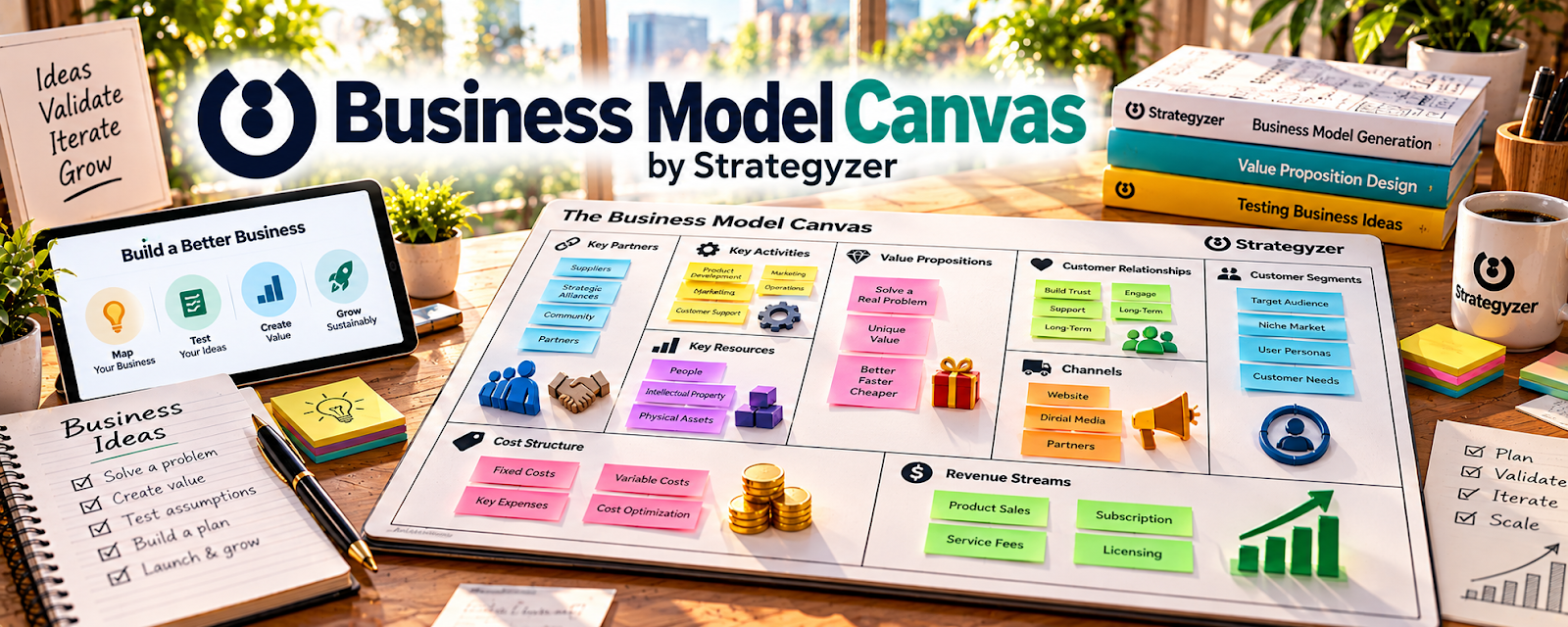
Use Business Model Canvas to structure client problems, map strategy options, and create clearer consulting deliverables.
🟢 Beginner
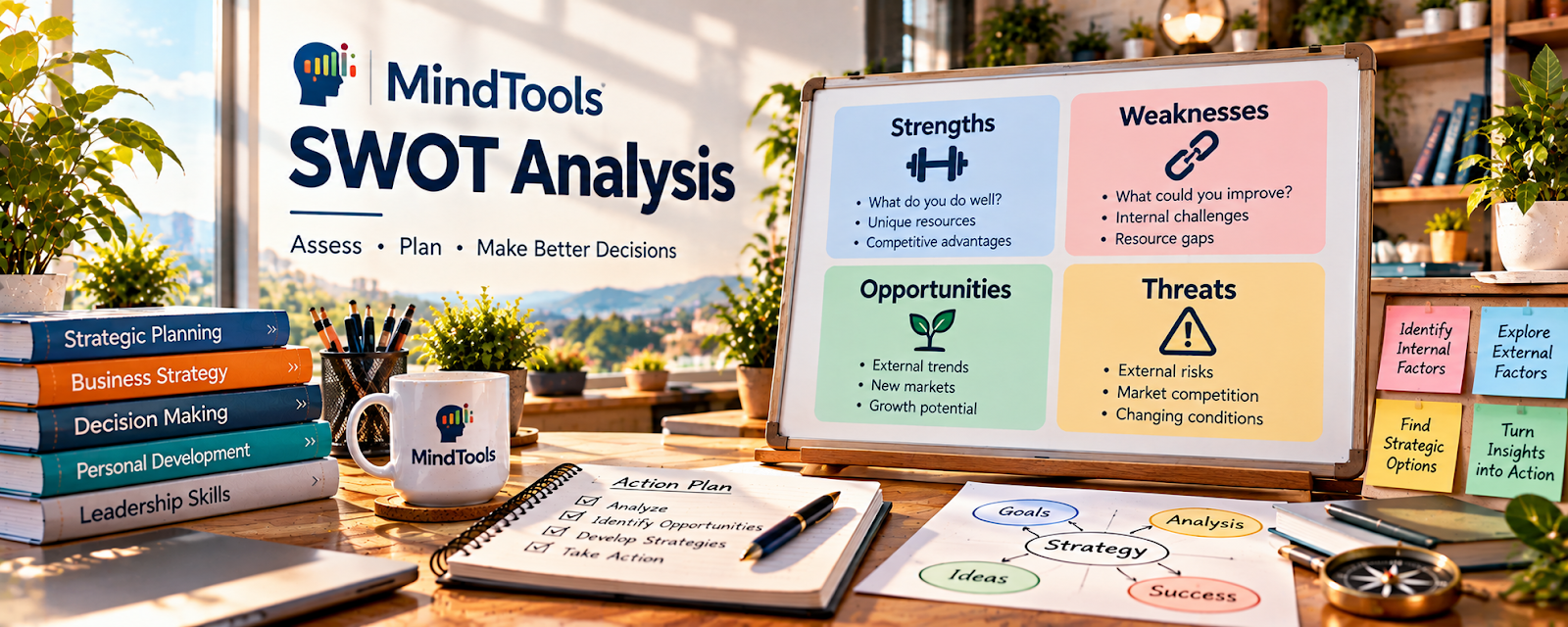
Use SWOT Analysis to structure client problems, map strategy options, and create clearer consulting deliverables.
🟢 Beginner

Use Lucidspark to structure client problems, map strategy options, and create clearer consulting deliverables.
🟡 Intermediate
Use Microsoft PowerPoint to structure client problems, map strategy options, and create clearer consulting deliverables.
🟡 Intermediate
Use Microsoft PowerPoint to structure client problems, map strategy options, and create clearer consulting deliverables.
🟡 Intermediate
Use Strategyzer to structure client problems, map strategy options, and create clearer consulting deliverables.
🔴 Advanced
10. Your First 6 Months in Consulting
Your first 6 months in consulting should be focused on building a clear offer, real proof, and a repeatable client process.
The goal is to move from:
Expertise → Problem → Offer → Client → Result → Referral
By the end of 6 months, you should know who you help, what problem you solve, how to package your service, and how to turn early client wins into testimonials, referrals, and stronger pricing.
🎯 6-Month Goal
By the end of your first 6 months, aim to have:
✅ One clear consulting niche
✅ A specific client problem you solve
✅ One starter offer or package
✅ A simple service page, profile, or proposal template
✅ 5–10 discovery calls completed
✅ 1–3 paid or practice clients served
✅ A repeatable delivery process
✅ Testimonials, case studies, or results collected
✅ A plan to raise prices, specialize, or productize your service
🎯 KEY TAKEAWAY
Consulting grows faster when you sell a clear outcome instead of “general help.”
📅 Month 1: Choose Your Niche & Clarify the Problem
🎯 Main Goal
Choose who you help, what painful problem you solve, and why someone would trust you for that result.
✅ What to Do
- List your strongest skills, experience, and wins
- Choose one target client type
- Identify one expensive, frustrating, or urgent problem they have
- Research what similar consultants offer
- Study client questions in forums, groups, and comment sections
- Write a simple consulting positioning statement
- Brainstorm 20–30 possible problems you could help solve
- Pick one starter service idea to test first
🏁 Month 1 Success Looks Like
- You know your target client
- You know the main problem you want to solve
- You have one clear niche angle
- You understand what competitors are offering
- You have one starter service direction
⚠ COMMON MISTAKE
Calling yourself a general consultant with no clear problem. Clients need to quickly understand what you help them fix.
🧭 Good Consulting Niches
Niche | Why It Works |
Business consulting | Helps with growth, operations, systems, and strategy |
Marketing consulting | Solves visibility, leads, messaging, and conversion problems |
Career consulting | Supports resumes, interviews, LinkedIn, and job search strategy |
Productivity consulting | Improves workflows, organization, automation, and tools |
Tech consulting | Helps with setup, systems, troubleshooting, and software decisions |
Local business consulting | Improves offers, online presence, reviews, and follow-up systems |

📅 Month 2: Build Your Offer & Sales Foundation
🎯 Main Goal
Turn your expertise into a simple consulting offer that is easy to explain, price, and sell.
✅ What to Do
- Create one starter consulting package
- Decide on your pricing structure
- Write a simple service description
- Create a discovery call outline
- Build a client intake form
- Make a basic proposal template
- Create a checklist for delivering the service
- Set up a simple booking or contact method
🏁 Month 2 Success Looks Like
- You have one clear package
- Your pricing is written down
- Your intake process is ready
- You can explain your offer in one sentence
- You are ready to book discovery calls
🎯 KEY TAKEAWAY
A simple, specific offer is easier to sell than “I can help with anything.”
📦 Offer Types to Test
Offer Type | Example |
Audit | Website audit, resume audit, funnel audit |
Strategy session | 60-minute action plan call |
Setup service | Notion system setup, tool setup, profile setup |
Monthly consulting | Weekly check-ins and guidance |
Implementation package | Strategy plus done-for-you setup |
Roadmap package | Custom plan with next steps and priorities |

📅 Month 3: Start Conversations & Land First Clients
🎯 Main Goal
Start getting real conversations with potential clients and close your first consulting work.
✅ What to Do
- Tell your network what you help with
- Reach out to people who may need your service
- Post useful content around your niche
- Offer a limited number of starter sessions
- Join relevant groups or communities
- Book discovery calls
- Ask clear questions about the client’s problem
- Send simple proposals after calls
🏁 Month 3 Success Looks Like
- You have talked with real prospects
- You completed discovery calls
- You understand common objections
- You sent your first proposals
- You landed your first paid or practice client
💡 PRO TIP
Early calls are research too. Pay attention to the exact words people use to describe their problems.
📍 Best Places to Find Clients
Source | Best For |
Personal network | Warm introductions and first trust-based clients |
LinkedIn | Professional consulting leads |
Facebook groups | Niche and local business communities |
Past coworkers | Referrals and credibility |
Upwork or Fiverr | Beginner-friendly starter offers |
Local businesses | Operations, marketing, systems, and service help |

📅 Month 4: Deliver Results & Build a Repeatable Process
🎯 Main Goal
Create a strong client experience and turn your service into a repeatable workflow.
✅ What to Do
- Onboard clients with a clear intake process
- Confirm goals, scope, and deliverables
- Deliver the work in organized steps
- Keep communication professional and consistent
- Track what you did and what improved
- Save before-and-after examples when possible
- Ask for feedback
- Turn repeated steps into templates or checklists

🏁 Month 4 Success Looks Like
- You delivered your first real result
- Your process is more organized
- You know what takes the most time
- You have a clearer client workflow
- You can explain your value more clearly
⚠ COMMON MISTAKE
Do not overpromise to close a client. Clear scope protects your time and builds trust.
🗓️ Simple Weekly Workflow
Day | Task |
Monday | Review client goals and priorities |
Tuesday | Complete research, audit, or prep work |
Wednesday | Build recommendations or deliverables |
Thursday | Hold client meeting or progress update |
Friday | Finalize documents and next steps |
Weekend | Improve templates and follow up with leads |
🔄 Simple Client Workflow
Step | What Happens |
Inquiry | Client asks about your service |
Discovery call | You learn the problem and goals |
Proposal | You explain scope, price, and timeline |
Payment | Client pays deposit or full amount |
Intake | Client submits details and materials |
Delivery | You complete the audit, strategy, setup, or support |
Review | Client reviews your work or recommendations |
Follow-up | You ask for feedback, a testimonial, or next steps |
📅 Month 5: Build Proof & Improve Conversion
🎯 Main Goal
Use early results to strengthen your credibility and make the offer easier to sell.
✅ What to Do
- Ask for testimonials
- Turn wins into short case studies
- Improve your service page or profile
- Refine pricing
- Add examples of deliverables
- Turn repeated advice into reusable templates
- Create a follow-up offer for past clients
- Ask satisfied clients for referrals
🏁 Month 5 Success Looks Like
- You have client feedback or testimonials
- Your offer is more specific
- Your price feels more justified
- You know which clients are the best fit
- New prospects have stronger reasons to trust you
🎯 KEY TAKEAWAY
Proof makes consulting easier to sell. Even small wins become powerful when you explain the problem, process, and result clearly.
🏅 Proof Assets to Build
Proof Asset | Why It Helps |
Testimonial | Builds trust quickly |
Case study | Shows the problem, process, and result |
Before-and-after | Makes improvement visible |
Sample audit | Shows what clients receive |
Client checklist | Makes your process feel professional |
Results summary | Explains the value of your work |
Referral message | Makes it easier for clients to recommend you |

📅 Month 6: Review, Specialize & Scale
🎯 Main Goal
Review your first 6 months and decide which offer, audience, and delivery model deserve more focus.
✅ What to Do
- Review every client conversation
- Identify the most common client problem
- Identify your strongest service package
- Review which outreach methods worked best
- Remove unclear or low-value offers
- Raise prices if proof and demand support it
- Productize the service that sells most easily
- Build a 90-day plan for months 7–9
❓ 6-Month Review Questions
- Which client problems came up most often?
- Which service was easiest to deliver?
- Which clients were best to work with?
- Which offers produced the clearest results?
- Which outreach method produced the best conversations?
- What objections came up repeatedly?
- What tasks took too much time?
- What should you stop offering?
🏁 Month 6 Success Looks Like
- You know your strongest offer
- You understand your best-fit client
- You have proof from early work
- You have a clearer pricing strategy
- You have a plan to specialize, raise prices, or scale
🎯 KEY TAKEAWAY
Consulting gets easier to grow when your offer is specific, your process is repeatable, and your results are easy to explain.
📊 Decision Table
If This Happens | Do This |
Clients ask the same questions | Turn answers into templates, guides, or frameworks |
One service sells best | Productize it into a clear package |
Discovery calls do not convert | Improve positioning and proposal clarity |
Clients need ongoing help | Offer monthly consulting or retainers |
Work takes too long | Narrow the scope or raise prices |
Referrals are increasing | Build a simple referral system |

✅ 6-Month Success Checklist
By the end of 6 months, check whether you have:
✅ Picked one clear niche
✅ Defined your target client
✅ Identified one clear problem you solve
✅ Built a simple service package
✅ Created an intake form
✅ Created a proposal template
✅ Completed discovery calls
✅ Served a paid or practice client
✅ Collected feedback or testimonials
✅ Improved your offer
✅ Built a repeatable client workflow
✅ Created a plan for the next 90 days
⚠️ What Not to Do During the First 6 Months
Avoid these mistakes:
❌ Offering vague consulting with no clear outcome
❌ Taking clients outside your skill level
❌ Skipping discovery calls
❌ Starting work without clear scope
❌ Undercharging for custom strategy work
❌ Promising guaranteed results you cannot control
❌ Ignoring client communication
❌ Giving away full solutions before payment
❌ Failing to ask for testimonials
❌ Trying to serve every type of business at once
📝 QUICK NOTE
Consulting is built on trust and results. Be clear about what you help with, what is included, and what the client needs to do.
🧭 Simple 6-Month Milestone Tracker
Month | Main Focus | Target Output |
Month 1 | Niche and problem | Positioning statement + starter idea |
Month 2 | Offer and setup | Package, pricing, intake, proposal |
Month 3 | Client outreach | Discovery calls and first proposal |
Month 4 | Delivery system | Clear workflow and first result |
Month 5 | Proof and improvement | Testimonials, case study, offer refinement |
Month 6 | Review and scale | 90-day growth plan created |
🚀 Final 6-Month Strategy
Your first 6 months should follow this path:
Month 1: Pick the niche and clarify the problem
Month 2: Build a clear offer and sales foundation
Month 3: Start conversations and land first clients
Month 4: Deliver results and systemize the process
Month 5: Build proof and improve conversion
Month 6: Review what worked and double down
The consultants who win are not the ones who sound the smartest. They are the ones who solve a clear problem, communicate value simply, and improve their system every month.
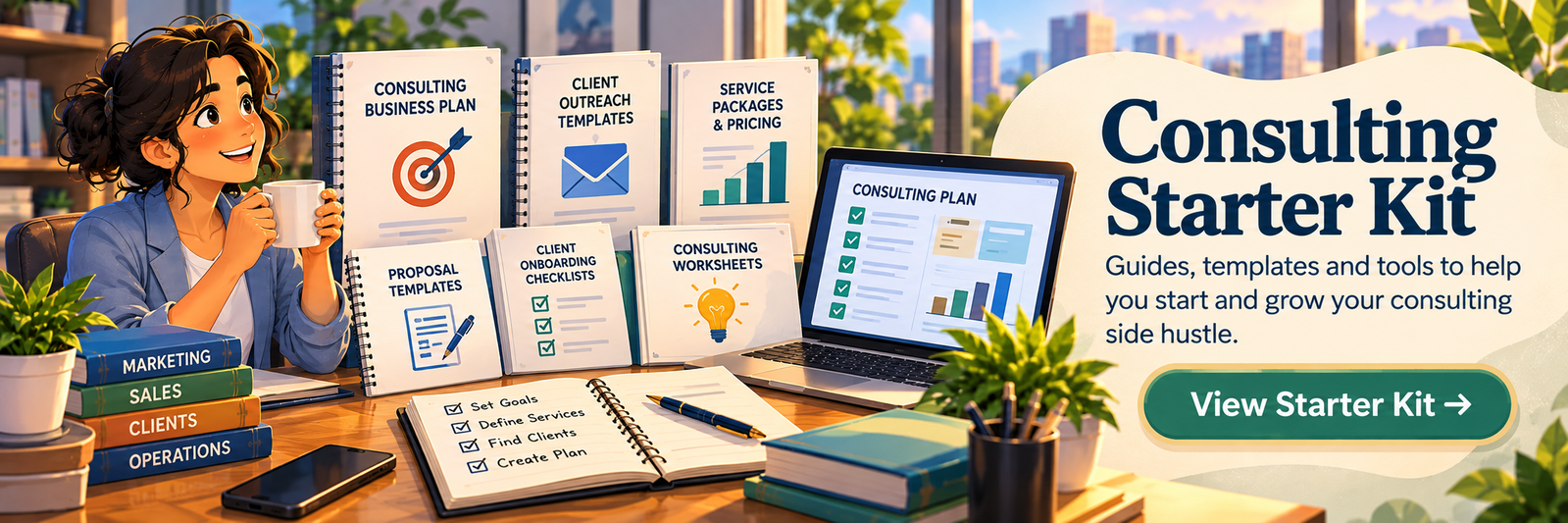
11. Get the Consulting Starter Kit
🎁 Build Your Consulting Workflow
The Consulting Starter Kit brings together 12 practical browser-based tools to help you shape an offer, prepare for clients, plan pricing and organize outreach and delivery.
The 12 components:
✅ 1. Consulting Offer Builder — Define a consulting service around a specific client problem.
✅ 2. Positioning Statement Builder — Write a clear statement of who you help, what problem you solve and how.
✅ 3. Consulting Quote Calculator — Estimate project pricing and deposits using your scope and pricing assumptions.
✅ 4. Client Discovery & Intake — Gather client background, clarify requirements and document next steps.
✅ 5. Strategy Call Planner — Prepare a call agenda, structure the conversation and document follow-up actions.
✅ 6. Follow-Up Email Builder — Draft personalized follow-up emails to review before sending.
✅ 7. Consulting Proposal Builder — Prepare a clear consulting proposal outlining project scope and deliverables.
✅ 8. Case Study Toolkit — Organize real project outcomes and supporting evidence for client case studies.
✅ 9. Consulting Agreement Builder — Draft a consulting agreement for qualified legal review.
✅ 10. Client Booking Setup — Work through scheduling setup and check that your booking process is ready for clients.
✅ 11. LinkedIn Outreach Planner — Plan personalized LinkedIn outreach messages and follow-ups.
✅ 12. 30-Day Consulting Launch Plan — Organize and track your first month of consulting business-building tasks.
Also included: A central Consulting dashboard and Start Here guide.
This is a self-guided toolkit, not a consulting service. It does not send messages or book appointments automatically. Contracts require independent legal review, and the kit remains subject to final release approval.
12. Frequently Asked Questions
🎓 Do I need credentials or a degree to consult?
No. Real experience matters more than degrees. If you've done it successfully, you can consult on it. That said, relevant certifications or credentials help with credibility and can justify higher rates.
⏰ Can I consult part-time while working full-time?
Absolutely. Many consultants start as side hustles. Earnings vary with rates, hours, and how quickly you land clients. You'll need to ensure no conflicts with your main job, such as consulting competitors.
🧠 How do I handle imposter syndrome?
Normal and common. Remember: you don't need to be the best, just better than your target client. If someone asks you for advice, they validate that you know something they don't. Charge accordingly.
📞 What if a client asks for ongoing help beyond the call?
Define scope upfront. Options:
- 💵 Hourly rate for additional time
- 🔁 Upsell to a retainer
- 📦 Include X hours per month in package price
- ↪️ Refer them elsewhere
Be clear so no resentment builds.
🎯 Should I specialize or be a generalist?
Specialize. Successful consultants are usually specialists. “I help SaaS founders” is easier to sell than “I help entrepreneurs.” Your initial niche is not permanent — you can evolve.
📊 How do I track results to show ROI?
Before the call: ask about the current situation, such as revenue, time spent on the problem, and cost of the problem.
After: follow up to see results achieved.
Document results like: “Implemented strategy, client saw 35% improvement in X.”
Ask the client: “What would have happened if you hadn't hired me?”
💼 Can I do consulting and have another job?
Yes, but manage the time commitment. Make sure non-compete clauses aren't violated. Most consultants start part-time, then shift to full-time once they’re earning significant income from consulting.
🌱 What if I'm new to an industry?
You can't consult on it yet, but you can:
- 📚 Get 2–3 years of experience
- 🎓 Learn intensively through courses, books, and mentors
- 🧩 Build in a related niche where you DO have expertise
- 🔍 Specialize in a specific sub-problem of your niche
💰 How do I handle client objections to price?
Show value, not cost. Instead of defending price, ask: “If this investment helps you [achieve X], is it worth it?” Often they realize it is. If they still object, they're not your client. Move on.
🛡️ Should I get liability insurance?
Consider it if you’re giving financial/legal advice, doing high-risk consulting, or working with major corporations. Cost is typically $500–$2,000/year. It can be worth it for peace of mind and legal protection.
🐛 How do I handle scope creep?
Define scope in advance: “This package includes X number of calls and Y hours of support.” Anything beyond that = additional charge. Put it in writing. When scope creep happens, politely reference the agreement and offer an upsell to an expanded package.
📈 Can I raise prices for existing clients?
Yes, but handle it gracefully. Give 30–60 days notice. Offer options: stay at the current price for 3 months, increase gradually, or lock in the old price for an annual commitment. Most clients understand and accept increases.
🤝 What's the difference between consulting and coaching?
Consulting: You advise on strategy/systems. The expert tells the client what to do.
Coaching: You guide the client to their own answers. The coach asks questions, and the client decides.
Many successful “consultants” actually coach. Both are valuable.
🌐 Should I have a website?
Not required to start. A Calendly link + email works fine initially. Add a simple landing page once you’re getting regular inquiries, around $0–$30/month for a basic site.
📚 How do I stay current in my niche?
Read industry publications, follow thought leaders, take courses, join communities, and attend conferences. Stay 2–3 steps ahead of your clients. Dedicate 5 hours/week to learning.
13. Important Considerations
Before starting, understand the realities that determine success:
⏳ It Takes Time to Build Momentum
- 📈 Most consultants don’t hit $5K/month until 6–12 months
👉 Consistency beats speed
🧠 You Must Niche Down
- 🚫 “Business consultant” = too broad
- 🎯 Specific niche = higher rates + easier clients
💡 “The riches are in the niches”
💸 Underpricing Hurts Growth
- ⚠️ Cheap pricing attracts bad clients
- 🏆 Higher pricing signals expertise
📉 Not Every Lead Converts
- 📭 Some people won’t respond
- ❌ Some won’t buy
👉 This is normal — focus on volume
🔁 Referrals Don’t Happen Automatically
- 🗣️ You must actively ask for referrals
⚙️ You’re Running a Business
Not just giving advice:
- 🧰 You need systems
- 📣 You need marketing
- 🎯 You need positioning
🐛 Scope Creep Can Kill Profit
- 📄 Define deliverables clearly
- 💵 Charge for extra work
🔥 Consistency > Expertise
- ✅ Being “good” isn’t enough
- 👀 You must be visible
💡 Final Reality Check
This is NOT passive income at the start
This IS one of the fastest paths to high-income skills + scalable business
14. Your Next Steps
🚀 ACTION STEP
📅 This Week:
- 🎯 Define your niche — Answer: Who do I help? What problem? What's my unique angle?
- 💵 Set your first offer — 60-minute strategy call at $150–$300
- 🔗 Create booking link — Use free Calendly
- ✍️ Write one-liner — Your positioning statement
- 👥 List 20 people to reach out to — Your network
🗓️ This Month:
- 📩 Send 20 DMs/emails — Tell your network you're consulting
- 📞 Get on 5–10 calls — Even if discounted or free, get testimonials
- 💬 Collect feedback — Refine your messaging
- 🗣️ Ask for referrals — Every client should refer someone
- 💼 Post twice on LinkedIn — Share insights in your niche
🚀 Next 90 Days:
- 📅 Book paid consultations — Use real conversations to refine the offer
- 🏗️ Build your authority — Share case studies, testimonials, and content
- 📈 Raise prices 20–30% — Based on demand and testimonials
- 🔁 Offer a retainer model — Get recurring revenue from 1–2 clients
- 🎯 Aim for a more consistent monthly consulting schedule — Build around repeat clients and retainers
“The best time to start consulting was when you first had the knowledge. The second best time is today. Your expertise has real value — the only question is whether you'll capture it.”
Your experience. Your knowledge. Your consulting business. Start today.
15. The Bottom Line
🎯 KEY TAKEAWAY
Consulting is one of the fastest ways to turn expertise into income — no products to create, no inventory to manage, no employees needed. Just your knowledge, a calendar, and the ability to communicate clearly.
🙋 If you:
✔ Define a clear niche — who you help, what problem, what result
✔ Stay consistent through the first 3–6 months
✔ Build authority and ask every client for referrals
✔ Price for the value you deliver, not the hours you spend
🏗️ You can build:
Earnings vary. Some consultants report ranges such as:
💰 $1,000–$10,000/month as the practice grows
🗓️ A schedule you control completely
📈 A business with minimal overhead — and a path to courses and group programs later
🚀 Your knowledge is the product — you don't need inventory, employees, or permission to start.

16. Recommended Websites & Tools
🛠 TOOLS & RESOURCES
You do not need every resource listed below. This directory brings together the major platforms, tools, and resources from this guide, along with additional research and learning options, so you can find them in one place when you need them.
Start with the essentials. Add tools only when your consulting business develops a specific need for them.
📅 Scheduling, Calls & Client Communication
- Calendly — Scheduling tool for booking discovery calls, strategy sessions, consultations, and client meetings.
- TidyCal — Simple scheduling tool for paid bookings, availability pages, and cleaner client booking workflows.
- Zoom — Video meeting platform for discovery calls, consulting sessions, workshops, and client presentations.
- Google Meet — Free video call option for simple client meetings and consulting check-ins.
- Gmail — Email platform for professional client communication, outreach, follow-ups, and proposal delivery.
💡 PRO TIP
Your booking link is your storefront. Set it up once with your availability, pricing, and intake questions so clients can book without back-and-forth.
💳 Payments, Booking & Business Finances
- Stripe — Payment processor for invoices, payment links, card payments, paid calls, and consulting packages.
- PayPal — Familiar payment option for beginner consultants, invoices, client payments, and simple online transactions.
- Acuity Scheduling — Scheduling platform that can combine bookings, paid appointments, intake forms, and client calendar management.
- ThriveCart — Checkout platform for high-ticket consulting offers, digital products, payment plans, and sales pages.
- Wave — Invoicing and simple accounting tool for tracking consulting income, expenses, and client payments.
- QuickBooks — Accounting and bookkeeping platform for managing growing consulting business finances.
📝 QUICK NOTE
Collect payment before or at the time of the call. Prepaid bookings eliminate most no-shows and invoice chasing.
📄 Deliverables, Reports & Client Assets
- Notion — Workspace for client portals, consulting templates, strategy notes, project tracking, and organized delivery.
- Google Docs — Document tool for proposals, written reports, audits, strategy plans, and client recommendations.
- Google Slides — Presentation tool for strategy decks, client presentations, audit summaries, and workshop materials.
- Canva — Design tool for branded PDFs, reports, proposal graphics, slide decks, worksheets, and consulting visuals.
- Loom — Screen recording tool for async walkthroughs, client updates, audits, and quick feedback videos.
- Descript — Audio/video editing and transcription tool for premium consulting deliverables, recordings, and content repurposing.
📣 Marketing, Email & Audience Growth
- Mailchimp — Email marketing platform for newsletters, lead nurturing, follow-ups, and consulting audience growth.
- Kit — Creator-focused email platform for building an email list, sending newsletters, and promoting consulting offers.
- LinkedIn — Professional networking platform for B2B consulting leads, authority-building posts, outreach, and referrals.
- Instagram — Social platform for sharing consulting tips, behind-the-scenes content, client wins, and soft calls to action.
- TikTok — Short-form video platform for posting niche tips, quick advice, educational clips, and consulting visibility content.
- Facebook Groups — Community discovery page for joining niche groups, answering questions, and finding potential consulting clients.
- Reddit — Community platform for niche research, soft outreach, audience pain-point discovery, and consulting topic validation.
- YouTube — Video platform for interviews, educational content, consulting authority, and guest appearance opportunities.
📝 QUICK NOTE
Pick one primary channel — usually LinkedIn for B2B — and post consistently there before spreading yourself across every platform.
🧰 Tech, Systems & Workflow Tools
- Shopify — E-commerce platform mentioned as an example of software setup and tech consulting work.
- HubSpot — CRM and marketing platform mentioned as an example of systems, sales, and workflow consulting.
- Zapier — Automation platform mentioned for workflow automation, software setup, and business systems consulting.
- Make — Automation platform mentioned for building workflows, connecting apps, and improving client systems.
- Google Search — Research tool for finding potential clients, local businesses, competitors, and market opportunities.
- Google Business Profile — Local business profile tool connected to online presence, reviews, and local business consulting work.
🎯 KEY TAKEAWAY
You do not need every tool on this page. A booking link, a way to take payment, and a way to deliver your work are enough to land your first client.
🧭 How to Use This Directory
🧰 Start With a Simple Setup
Do not start by creating accounts with every service listed above. For most beginners, a simple setup is enough:
- One scheduling tool
- One payment processor
- One way to deliver your work
- One marketing channel
- Basic expense tracking
That is enough to start consulting. Add tools only when you can name the specific problem they will solve.
🎯 KEY TAKEAWAY
Tools support the business. They are not the business.
Your biggest advantages will come from:
Understanding your client's problem → Communicating your value → Delivering results → Asking for referrals
17. Explore Similar Side Hustles
 Online Course Creation: Turn Your Knowledge Into Income — Package your consulting frameworks into a course that earns while you're not on calls.
- Online Tutoring: Get Paid to Teach What You Know — Teach your subject one-on-one while building the testimonials and confidence to launch consulting.
 Freelance Writing: Get Paid to Write Online — Turn your expertise into paid articles, white papers, and thought-leadership content.
 Newsletter Monetization: Get Paid to Write About What You Love — Build an email audience in your niche that feeds your consulting pipeline.
 Virtual Assistance — Offer hands-on execution in your field while you build authority for higher-priced advisory work.
- Resume Writing & LinkedIn Optimization — Use your professional insight to help clients present themselves — a natural add-on service for consultants.
Ready to turn your expertise into income? View the starter kit above and book your first consulting call today.