Official Website
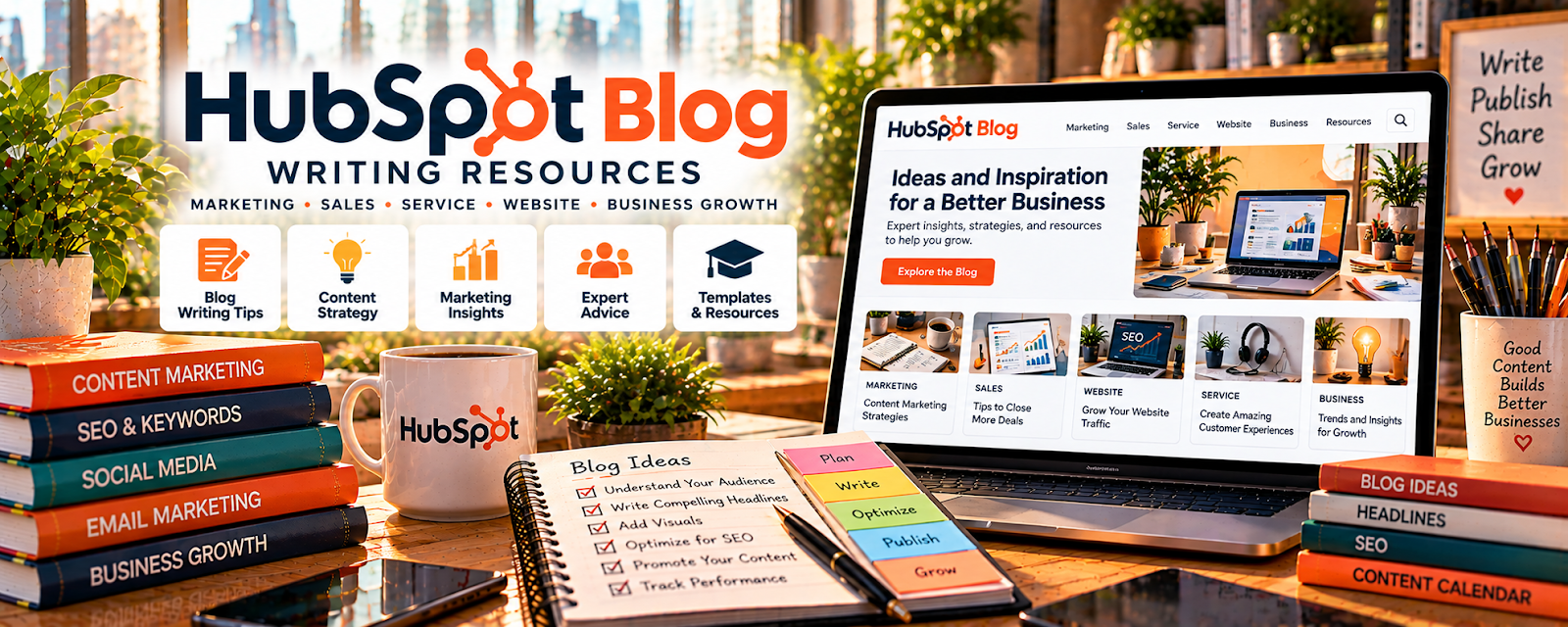
HubSpot Blog Writing Resources is a free marketing and content education hub with articles on blogging, SEO, content strategy, lead generation, and digital marketing.
🔗 Visit Official Website — HubSpot Blog Writing Resources
Domain: blog.hubspot.com
What This Website Is
HubSpot Blog Writing Resources is a free marketing and content education hub with articles on blogging, SEO, content strategy, lead generation, and digital marketing. For ✍️ Blogging, it helps you understand how blog posts can attract readers, answer search intent, and support monetization.
How to Use It for Blogging
Use HubSpot Blog Writing Resources to improve blog strategy, not just writing volume. Focus on topic planning, reader intent, headlines, structure, calls to action, and how posts connect to email lists, products, or services.
Step-by-Step Implementation:
- Read articles on blogging, SEO, and content marketing.
- Choose one reader problem for each post.
- Outline posts around search intent and useful answers.
- Add a clear next step such as subscribing, reading another post, or downloading a resource.
- Track which posts bring clicks, subscribers, or inquiries.
- Refresh older posts when information or search intent changes.
Best Time to Use This
- Before planning a blog content calendar.
- When learning SEO and content strategy.
- When posts get traffic but no action.
- Before connecting a blog to newsletters or offers.
Best Skills to Learn Here
- Blog strategy
- SEO content planning
- Search intent
- Content structure
- Calls to action
- Performance review
Getting Started Steps
- Open HubSpot Blog Writing Resources.
- Save beginner articles on blogging and SEO.
- Pick one niche and reader problem.
- Draft 5 post ideas around that problem.
- Outline one post with a clear reader outcome.
Good Beginner Search Terms
- HubSpot blog writing resources
- blogging strategy for beginners
- SEO blog post guide
- content marketing blog tips
- blog post structure
- blogging lead generation
Monetization Angle
HubSpot’s content guidance can help turn blogging into a business asset. Better strategy can support affiliate clicks, email subscribers, service leads, digital product sales, and long-term organic traffic.
Pros
- Free marketing-focused education.
- Useful for blog strategy and SEO.
- Helps connect content to business goals.
- Good for beginner and intermediate bloggers.
Cons
- Broad marketing advice needs niche adaptation.
- Not a full technical blog setup guide.
- Some examples may target businesses.
- Traffic and monetization take time.
Who Should Use This
Use this if you want blog posts to attract readers and support a larger monetization system.
Who Should Skip This
Skip this if you only want personal journaling prompts or website setup steps.
Practical Applications
- Use a relevant article to improve an original blog outline.
- Map a content series to real reader questions.
- Test a modest publishing or internal-link improvement and keep dated notes.
Important Considerations
- Provider-produced articles may promote products or reflect older search behavior.
- Verify factual and current search guidance independently; traffic examples do not predict rankings, subscribers, or income.
Related Resources
Copyblogger — Helps improve headlines, copywriting, and reader trust.
WordPress.com Blog Guide — Helps create a basic blogging home.
Neil Patel Affiliate Marketing Guide — Connects blog content to affiliate income.
Grammarly — Helps polish blog drafts.
Related Side Hustles
 Blogging: Build an Online Brand and Earn from Your Words — HubSpot resources support strategy, SEO, and monetization planning.
 Affiliate Marketing: Get Paid to Promote What You Love — Blog traffic can drive affiliate recommendations.
 Newsletter Monetization: Get Paid to Write About What You Love — Blog readers can become subscribers.
 Freelance Writing: Get Paid to Write Online — Content strategy skills improve client writing services.