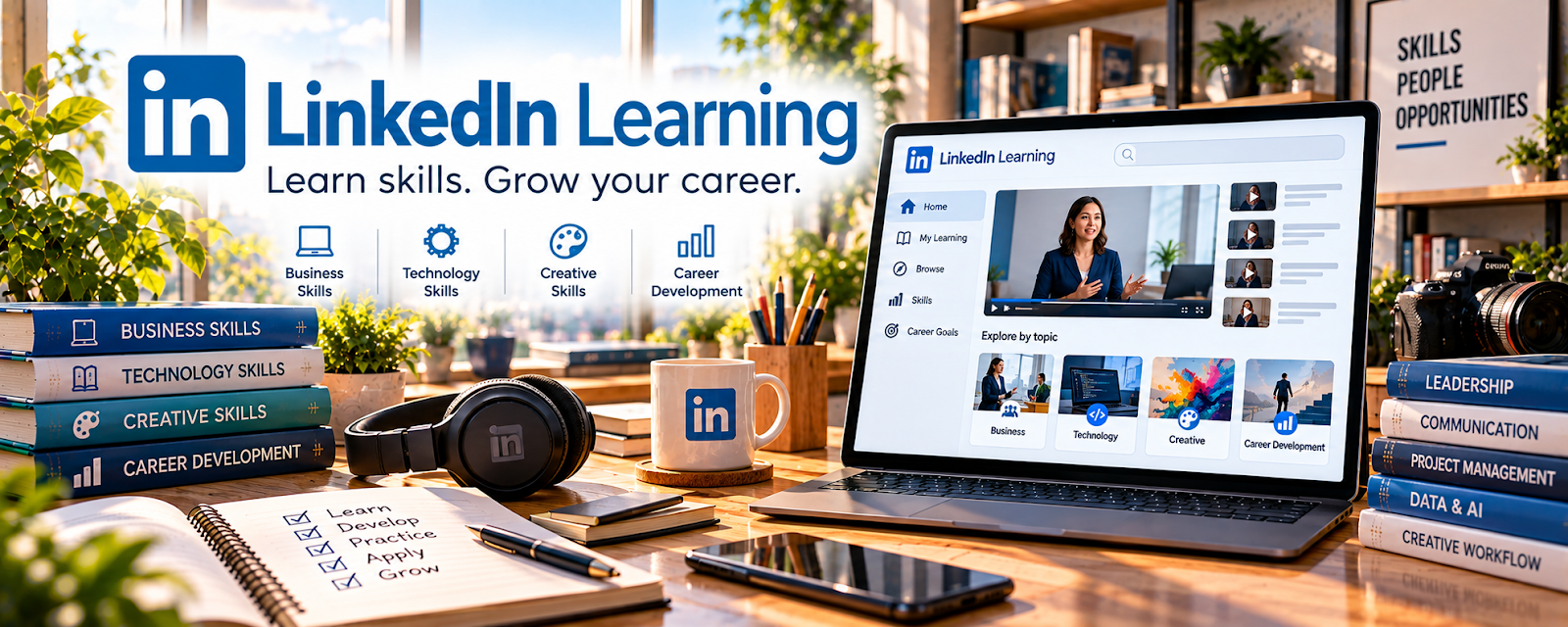
Official Website
LinkedIn Learning — YouTube Marketing is a professional course library for learning YouTube strategy, channel positioning, video marketing, audience growth, analytics, and content promotion.
🔗 Visit Official Website — LinkedIn Learning — YouTube Marketing Courses
Domain: www.linkedin.com
What This Learning Resource Is
LinkedIn Learning — YouTube Marketing is a professional course library for learning YouTube strategy, channel positioning, video marketing, audience growth, analytics, and content promotion. For ▶️ YouTube Automation, it is useful because automated or outsourced channels still need smart topic selection, packaging, viewer retention, thumbnails, titles, analytics, and monetization strategy.
This is not a “push-button automation” shortcut. Use it to understand the marketing system behind a channel so scripts, voiceovers, editing, thumbnails, and publishing decisions are based on audience behavior instead of guesswork.
How to Use It for ▶️ YouTube Automation
Use LinkedIn Learning to build the strategy layer of a YouTube automation workflow. Start with one channel problem—niche selection, video packaging, audience research, analytics, or promotion—then choose a course or module that helps improve that part of the production system.
Step-by-Step Implementation:
- Identify the YouTube outcome you need, such as better video ideas, stronger titles, clearer audience targeting, or improved retention.
- Choose the most relevant course, lesson, or module instead of watching random YouTube marketing content.
- Take notes around audience research, content pillars, thumbnails, titles, hooks, analytics, and monetization examples.
- Complete exercises by applying the lesson to a real channel idea, video outline, thumbnail concept, or publishing workflow.
- Turn what you learn into a repeatable asset: a content brief, video checklist, title bank, thumbnail review rubric, or analytics review process.
- Review results after publishing and decide whether the next learning focus should be ideation, production quality, retention, or monetization.
Best Time to Use This
- When you want to build a YouTube automation channel around strategy instead of random content volume.
- When you need beginner-to-intermediate training on YouTube marketing, audience growth, and analytics.
- When you are hiring freelancers and need to explain briefs, expectations, and quality standards clearly.
- When a channel is getting views but needs better retention, packaging, or monetization planning.
Best Skills to Learn Here
- YouTube channel positioning and audience targeting.
- Video idea selection, titles, thumbnails, and hooks.
- Content calendars and repeatable publishing workflows.
- YouTube Analytics basics for improving future videos.
- Marketing funnels, calls to action, and monetization strategy.
- Briefing editors, writers, designers, and voice talent more clearly.
Getting Started Steps
- Start with a YouTube marketing or video strategy foundation course.
- Pick one course tied to your channel stage: niche research, launch, growth, or analytics.
- Complete one lesson or module at a time.
- Apply each lesson to a real video concept, script brief, thumbnail, title, or analytics review.
- Save useful frameworks, title formulas, channel audit notes, and production checklists.
- Turn the finished work into a YouTube automation SOP for ideation, production, publishing, and review.
Good Beginner Search Terms
- YouTube marketing course
- YouTube channel strategy
- YouTube SEO beginner
- YouTube analytics for creators
- video marketing fundamentals
- YouTube thumbnail strategy
- YouTube content calendar
- audience retention YouTube
- faceless YouTube channel strategy
Monetization Angle
LinkedIn Learning can help YouTube automation income by improving the decisions that drive views and revenue: niche selection, packaging, retention, audience trust, and monetization paths. Better strategy can make outsourced production more efficient because writers, editors, thumbnail designers, and voiceover tools work from clearer briefs.
The certificate is secondary. The money comes from turning lessons into a channel operating system: stronger video briefs, better thumbnails and titles, analytics-based iteration, affiliate links, sponsorship positioning, and a production workflow that can improve over time.
Pros
- Professional learning library with structured courses on YouTube, video marketing, analytics, and digital strategy.
- Useful for learners who want organized training instead of scattered creator advice.
- Strong fit for building repeatable workflows and quality standards for outsourced production.
- Helps connect YouTube content with broader marketing and monetization goals.
- Good for intermediate learners who need strategy, not just editing tutorials.
Cons
- May be broader marketing training rather than a step-by-step faceless channel blueprint.
- YouTube tactics change, so lessons should be validated against current analytics and platform updates.
- Certificates do not guarantee views, subscribers, or monetization.
- Learners still need consistent publishing, testing, creative judgment, and production management.
- Not a replacement for hands-on channel experiments.
Who Should Use This
Use this if you want to understand the marketing strategy behind a YouTube automation channel and manage production more intelligently. It is best for learners who are serious about audience research, packaging, analytics, and repeatable content systems.
Who Should Skip This
Skip this if you only need a specific editing tutorial, a quick AI-video workflow, or platform-specific automation tools. Also skip it if you are not ready to publish and analyze real videos.
Practical Applications
- Apply a relevant marketing lesson to an original channel-positioning brief.
- Build a small content experiment with a clear audience and measurable question.
- Review published results to decide which skill or production step to improve next.
Important Considerations
- Validate older YouTube tactics against current official guidance and your own channel data.
- Course completion does not establish monetization eligibility or guarantee views. Account for original content, rights, production costs, and the limits of examples from other channels.
Related Resources
 YouTube Studio — Helps apply marketing lessons by managing uploads, metadata, channel settings, and performance review.
YouTube Analytics — Turns course concepts into measurable decisions around retention, traffic sources, click-through rate, and viewer behavior.
VidIQ Tool — Supports keyword research, topic validation, and packaging decisions after learning YouTube strategy.
Canva / Canva Mockups — Helps turn thumbnail and visual-branding lessons into reusable templates.
Trello — Organizes the production pipeline from idea to script, voiceover, edit, thumbnail, upload, and review.
Fiverr — Provides a marketplace for hiring editors, thumbnail designers, writers, or voice talent using clearer briefs.
Related Side Hustles
 YouTube Automation: Make Money Without Showing Your Face — This is the direct path: LinkedIn Learning helps build the strategy, marketing, and analytics system behind the channel.
 Affiliate Marketing: Get Paid to Promote What You Love — YouTube content can monetize through product reviews, tutorials, comparisons, and affiliate links.
 Blogging: Build an Online Brand and Earn from Your Words — Video topics, keyword research, and content planning overlap with SEO articles and content-site growth.