Official Website
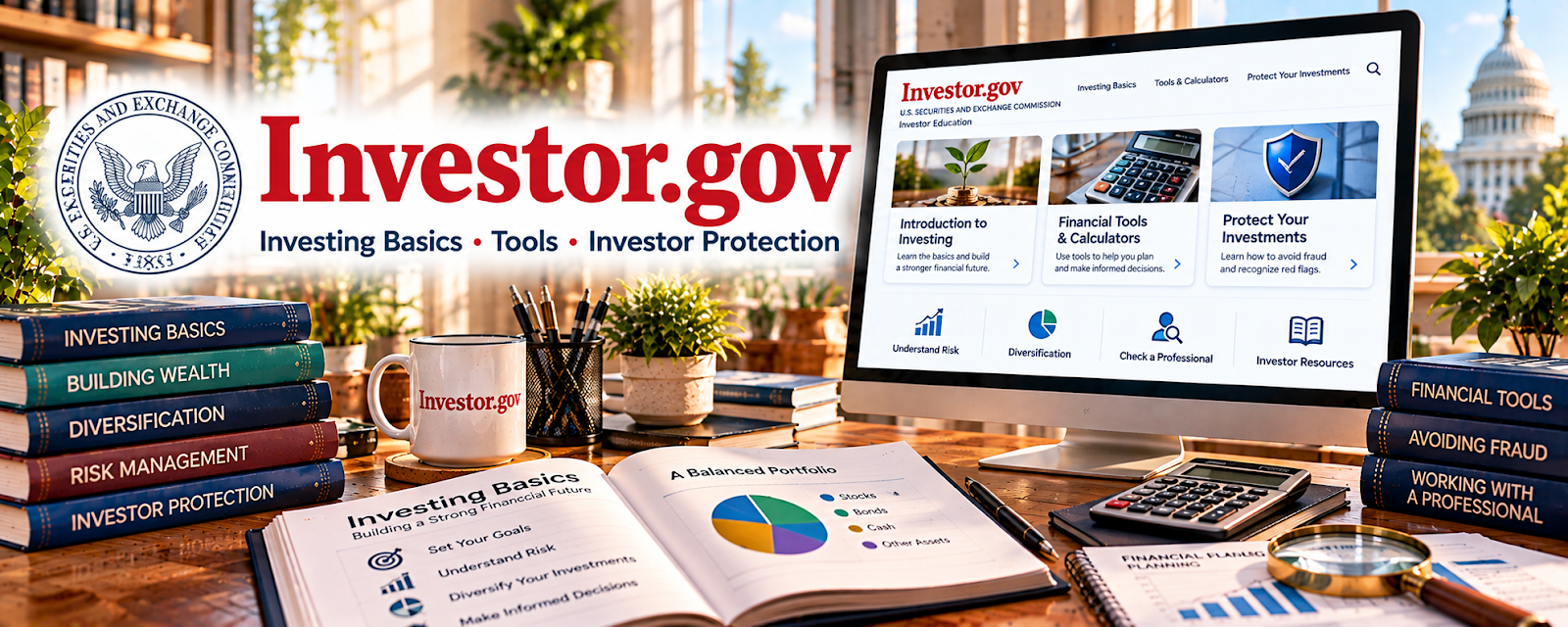
Investor.gov is an investor education website from the U.S.
🔗 Visit Official Website — Investor.gov
Domain: www.investor.gov
What This Website Is
Investor.gov is an investor education website from the U.S. Securities and Exchange Commission. For 📈 Investing & Dividend Income, it helps beginners understand investing basics, risk, fraud prevention, fees, compounding, and how to research financial decisions more carefully.
How to Use It for Investing & Dividend Income
Use Investor.gov as a safety-first investing education source before making dividend or stock-market decisions. Focus on risk, diversification, investment products, fees, compound interest, and avoiding scams.
Step-by-Step Implementation:
- Read beginner investing and risk education pages.
- Use calculators to understand compounding and contribution habits.
- Learn the difference between stocks, funds, bonds, and cash.
- Research fees and risk before choosing an investment.
- Build a watchlist for learning, not impulse buying.
- Avoid promises of guaranteed returns or pressure-based pitches.
Best Time to Use This
- Before buying dividend stocks or funds.
- When learning investment terminology.
- Before comparing brokers or products.
- When evaluating risky or suspicious opportunities.
Best Skills to Learn Here
- Investing basics
- Risk awareness
- Fee comparison
- Diversification
- Compound interest
- Fraud avoidance
Getting Started Steps
- Open Investor.gov.
- Start with beginner investing topics.
- Use one calculator to model long-term investing.
- Write down your risk questions.
- Research any investment before committing money.
Good Beginner Search Terms
- Investor.gov investing basics
- dividend investing beginner
- compound interest calculator
- investment risk diversification
- SEC investor education
- avoid investment scams
Monetization Angle
Dividend income is usually built slowly through capital, consistency, and risk management. Investor.gov does not provide hot picks, but it can help you make more informed decisions and avoid mistakes that damage long-term returns.
Pros
- Official investor education source.
- Strong for risk and scam awareness.
- Useful calculators and beginner explanations.
- Helps slow down impulsive decisions.
Cons
- Not personalized financial advice.
- Does not recommend specific investments.
- Dividend income takes capital and time.
- Learning still requires ongoing research.
Who Should Use This
Use this if you want a safer foundation before investing for dividends or long-term income.
Who Should Skip This
Skip this if you are looking for stock tips, trading signals, or guaranteed-return strategies.
Practical Applications
- Use investor education to clarify fees, diversification, and risk questions.
- Compare a proposed claim with official issuer or fund documents.
- Review fraud-warning information before responding to an unsolicited offer.
Important Considerations
- Educational material is not personalized investment or tax advice or approval of a particular opportunity.
- Verify facts, registration where relevant, costs, suitability, and jurisdiction; investment values can fall and dividends or distributions are not guaranteed.
Related Resources
FINRA Investor Insights — Adds investor education and protection guidance.
IRS Small Business Taxes — Helps understand tax-awareness boundaries for income.
Purdue OWL — Supports research and note-taking discipline.
Related Side Hustles
 Investing & Dividend Income: Grow Your Wealth with Smart Investments — Investor.gov supports safer investing education.
 Online Bookkeeping: Earn Steady Income by Helping Businesses Stay Organized — Financial recordkeeping habits support better money decisions.
 Consulting: Get Paid for What You Know — Financial literacy can support business advisory context.