Official Website
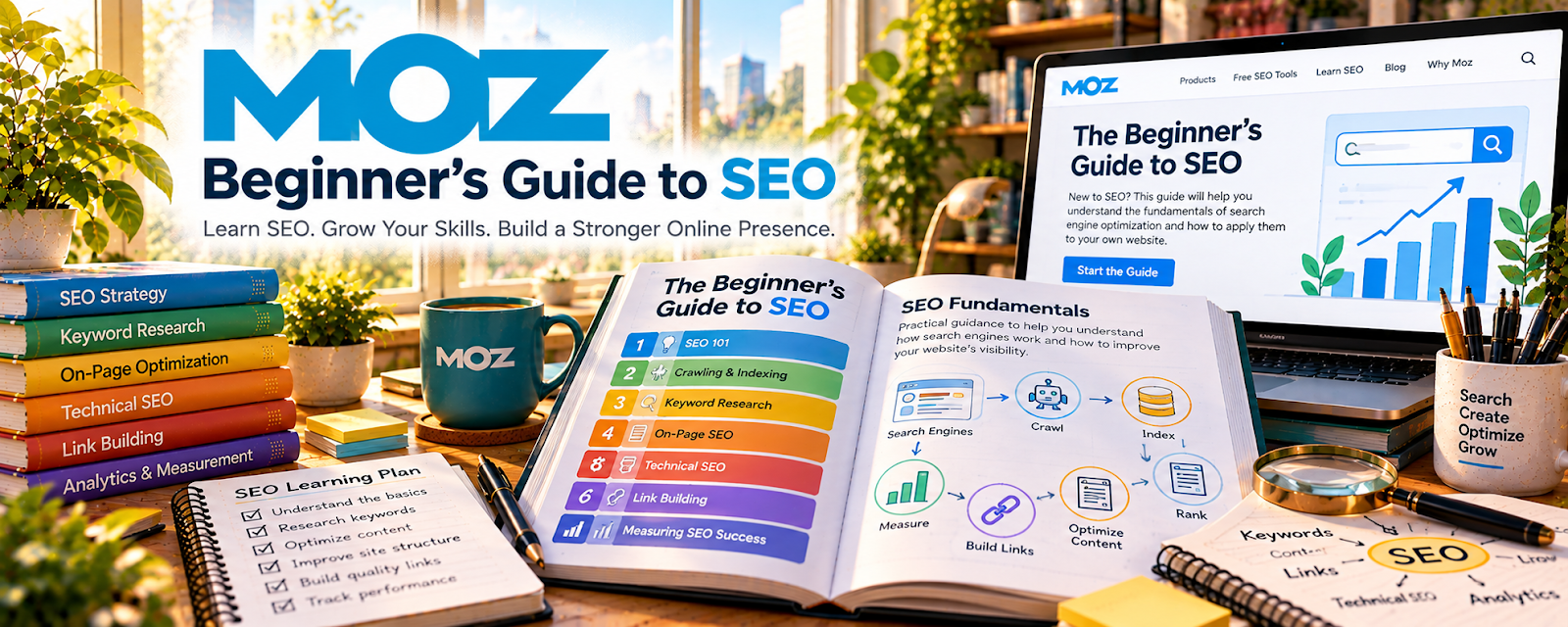
Moz Beginner’s Guide to SEO is a free SEO learning guide that explains search engines, keywords, on-page optimization, links, technical basics, and measurement.
🔗 Visit Official Website — Moz Beginner’s Guide to SEO
Domain: moz.com
What This Website Is
Moz Beginner’s Guide to SEO is a free SEO learning guide that explains search engines, keywords, on-page optimization, links, technical basics, and measurement. For ✍️ Blogging, it helps you write posts that can be discovered through search.
How to Use It for Blogging
Use Moz Beginner’s Guide to SEO to build search intent into your blogging process. Focus on matching reader questions, structuring pages clearly, improving titles, using internal links, and measuring what works.
Step-by-Step Implementation:
- Read the guide one chapter at a time.
- Choose one blog niche and list common reader questions.
- Turn questions into keyword-informed article ideas.
- Outline posts around search intent and useful answers.
- Add internal links between related posts.
- Review traffic, rankings, and engagement over time.
Best Time to Use This
- Before building a blog content plan.
- When posts are not getting organic traffic.
- Before writing pillar posts or guides.
- When learning SEO vocabulary.
Best Skills to Learn Here
- SEO fundamentals
- Keyword research
- Search intent
- On-page optimization
- Internal linking
- SEO measurement
Getting Started Steps
- Open Moz Beginner’s Guide to SEO.
- Read the keyword and on-page sections.
- Pick 5 beginner keyword ideas for your niche.
- Outline one post around search intent.
- Add internal links to related content.
Good Beginner Search Terms
- Moz Beginner’s Guide to SEO
- SEO for bloggers
- keyword research for blogs
- search intent blogging
- on-page SEO checklist
- internal linking blog strategy
Monetization Angle
SEO can turn blog posts into long-term traffic assets. Search traffic can support affiliate links, email signups, service inquiries, digital product sales, and ad revenue when paired with useful content.
Pros
- Clear beginner SEO education.
- Strong fit for blog planning.
- Helps make content discoverable.
- Free and widely referenced.
Cons
- SEO takes time to show results.
- Competitive niches need deeper research.
- Not a full blogging business plan.
- Requires consistent publishing and updating.
Who Should Use This
Use this if you want blog posts to attract search traffic instead of relying only on social media.
Who Should Skip This
Skip this if your blog is purely private, personal, or not meant to be discovered by search.
Practical Applications
- Use the guide to audit one original blog post’s structure.
- Map a reader question to a useful article and internal links.
- Identify a technical question to check against current search documentation.
Important Considerations
- General SEO advice may become outdated or require adaptation to your site.
- Rankings and traffic are not guaranteed revenue; avoid manipulative linking, copied content, and technical changes you have not tested or backed up.
Related Resources
HubSpot Blog Writing Resources — Adds content marketing and blog strategy.
WordPress.com Blog Guide — Helps set up and structure a blog.
Neil Patel Affiliate Marketing Guide — Connects search traffic to affiliate income.
Copyblogger — Helps improve headlines and persuasive writing.
Related Side Hustles
 Blogging: Build an Online Brand and Earn from Your Words — Moz supports SEO-driven content growth.
 Affiliate Marketing: Get Paid to Promote What You Love — Search traffic can support affiliate content.
 Newsletter Monetization: Get Paid to Write About What You Love — SEO readers can become email subscribers.