Official Website
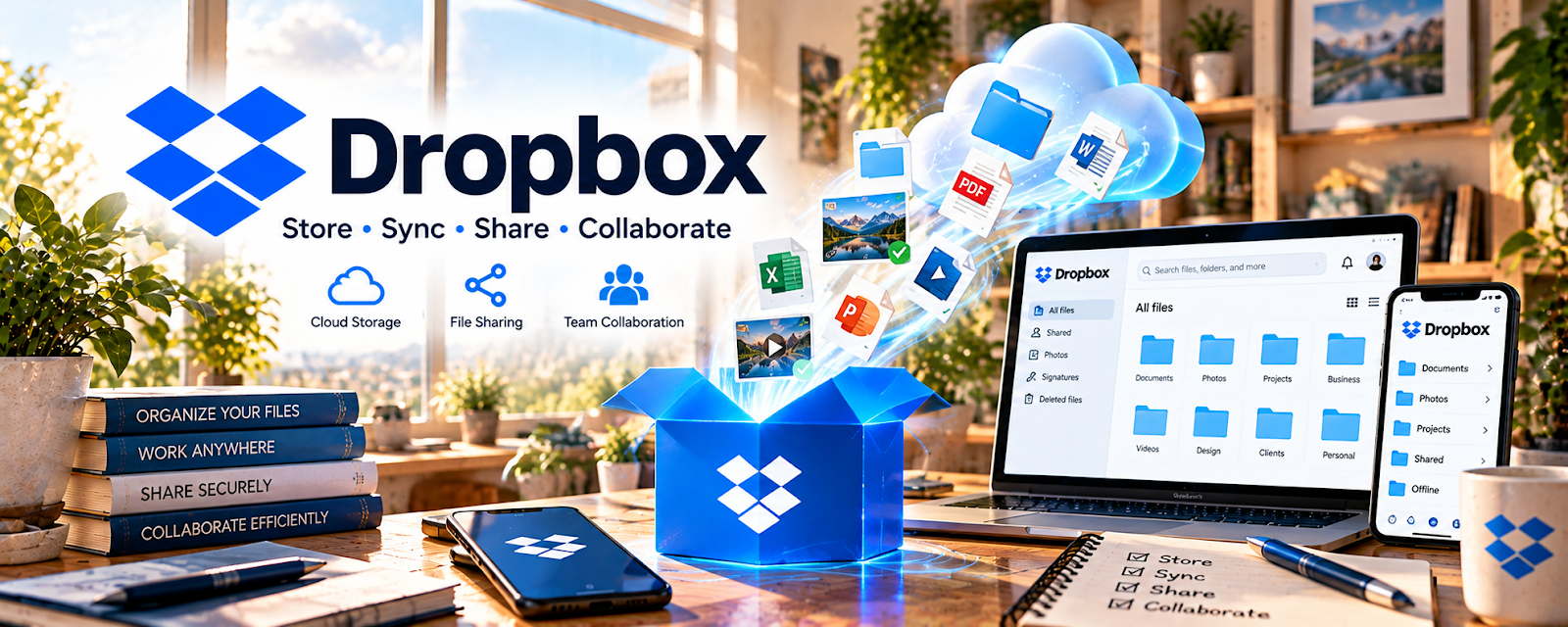
Dropbox is a freemium cloud storage and file-sharing platform.
🔗 Visit Official Website — Dropbox
Domain: www.dropbox.com
What This Website Is
Dropbox is a freemium cloud storage and file-sharing platform. For 📊 Online Bookkeeping, it helps organize receipts, statements, invoices, reports, onboarding documents, and client monthly folders.
How to Apply It to 📊 Online Bookkeeping
Use Dropbox as a secure document intake and storage system for bookkeeping clients.
Step-by-Step Implementation:
- Phase 1: Create one folder per client with monthly subfolders.
- Phase 2: Store receipts, statements, payroll files, invoices, and reports consistently.
- Phase 3: Archive completed months and review permissions regularly.
Common Use Cases for This Side Hustle:
- Scenario A: A client uploads monthly receipts.
- Scenario B: You deliver month-end reports.
- Scenario C: You need a repeatable document intake process.
When to Use This
- For client file intake.
- For receipts and statements.
- For monthly report delivery.
- For shared bookkeeping folders.
Best Tasks to Use It For
- Receipt storage
- Statement folders
- Client sharing
- Report delivery
- Monthly archives
Getting Started Steps
- Create a Bookkeeping Clients folder.
- Add one folder per client.
- Add monthly subfolders.
- Create receipt and statement sections.
- Test permissions.
- Archive closed months.
Good Beginner Search Terms
- bookkeeping client folder structure
- Dropbox document intake
- receipt organization bookkeeping
- monthly bookkeeping checklist
- client file permissions
Monetization Angle
Dropbox supports bookkeeping income by reducing document chaos, making monthly close work faster, and improving client professionalism.
Pros
- Simple client folders.
- Good file sharing.
- Useful for monthly workflows.
Cons
- Not bookkeeping software.
- Permissions require care.
- Manual organization needed.
Who Should Use This
Bookkeepers who need a shared document system for receipts, statements, reports, and client files.
Who Should Skip This
Skip this if your bookkeeping platform already handles secure document collection and storage.
Practical Applications
- Organize authorized client statements and receipts by accounting period.
- Share only the documents needed for a specific bookkeeping request.
- Review access and document completeness before a monthly close.
Important Considerations
- Financial files need appropriate permission, security, retention, and client authorization.
- Synchronization is not a complete backup strategy; verify recovery and sharing behavior and do not expose sensitive records through unrestricted links.
Related Resources
OneDrive — Microsoft-based document storage alternative
Quickbooks — bookkeeping workflow software
Google Sheets — tracking and reconciliation support
Related Side Hustles
 Online Bookkeeping: Earn Steady Income by Helping Businesses Stay Organized — direct fit for bookkeeping file management
 Virtual Assistance — similar client admin systems
Consulting: Get Paid for What You Know — also uses client document folders