Official Website
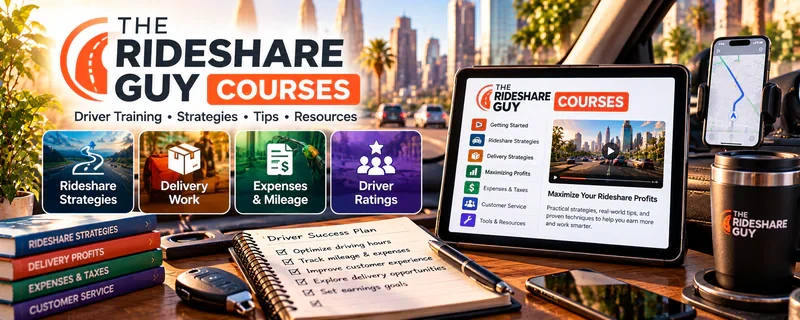
Rideshare Guy Courses are training resources for people who want to understand rideshare, delivery, and app-based gig work more strategically.
🔗 Visit Official Website — Rideshare Guy Courses
Domain: therideshareguy.com
What This Learning Resource Is
Rideshare Guy Courses are training resources for people who want to understand rideshare, delivery, and app-based gig work more strategically. For 🚗 Gig Economy Apps, they focus on earnings, platform choice, safety, expenses, driver habits, and avoiding common mistakes.
How to Use It for Gig Economy Apps
Use the training to build a better gig plan. Compare rideshare and delivery options, learn demand patterns, track mileage and expenses, understand safety expectations, and decide whether a platform fits your vehicle, location, and schedule.
Step-by-Step Implementation:
- Review current training topics, access terms, costs, and the creator’s assumptions about driver earnings.
- Verify local platform eligibility, insurance, safety, and payment requirements independently.
- Track actual receipts, time, mileage, fees, and vehicle costs over a limited suitable trial.
- Test changes safely and assess net results rather than treating another driver’s experience as a forecast or tax advice.
Best Time to Use This
- Before relying on rideshare or delivery income.
- When you are already driving but do not know true net earnings.
- Before changing schedules, stacking apps, or buying supplies.
Best Skills to Learn Here
- Rideshare strategy
- Delivery workflow
- Expense tracking
- Driver safety
- Platform comparison
- Customer ratings
- Net income analysis
Getting Started Steps
- Review the course topic that matches your platform or goal.
- Write down the key driver habits or tracking steps.
- Track a week of earnings, mileage, gas, and time.
- Compare gross pay with net pay.
- Test one change at a time, such as schedule, area, or app mix.
- Keep the strategy only if it improves net hourly income.
Good Beginner Search Terms
- rideshare course
- delivery driver tips
- gig economy driving
- Uber driver strategy
- DoorDash strategy
- mileage tracking
- gig app expenses
- driver earnings
Monetization Angle
Rideshare Guy Courses can help gig workers keep more of what they earn by improving platform choice, timing, cost tracking, and driver habits. The practical outcome is better net income, not just more hours online.
Pros
- Focused on real gig app work.
- Practical for drivers and delivery workers.
- Helps with cost awareness.
- Useful for avoiding beginner mistakes.
Cons
- Most useful for driving-related gigs.
- Results depend heavily on your local market.
- Paid training should be weighed against expected earnings.
- Platform rules and incentives can change.
Who Should Use This
Use this if you plan to drive or deliver and want a more informed strategy than trial and error.
Who Should Skip This
Skip this if your gig work is mostly remote freelancing or local non-driving services.
Practical Applications
- Check which current guides or courses address your intended driving platform.
- Build a shift-cost worksheet using your own mileage and expenses.
- Compare suggested strategies with actual results over similar driving periods.
Important Considerations
- The homepage does not establish that a particular course or offer is currently available.
- Check dates, sponsorships, access costs, and local platform rules; gross-earnings examples do not predict net profit.
Related Resources
Everlance — Helps track mileage and expenses.
Gridwise — Useful for comparing rideshare and delivery earnings.
DoorDash — A common delivery platform to test against other options.
Uber — Useful for rideshare or delivery opportunities.
Google Sheets — Calculate net pay by platform and shift.
Related Side Hustles
Gig Economy Apps — Courses focus on rideshare, delivery, and app-based income.
 Pet Sitting & Dog Walking: Earn Money Caring for Pets — Pet-care platforms also depend on ratings and local demand.
 House Cleaning & Organization: Make Money Creating Clean, Tidy Spaces — Local service gigs use similar tracking and client-service habits.
 Product Flipping — Both require careful cost tracking to know real profit.