Official Website
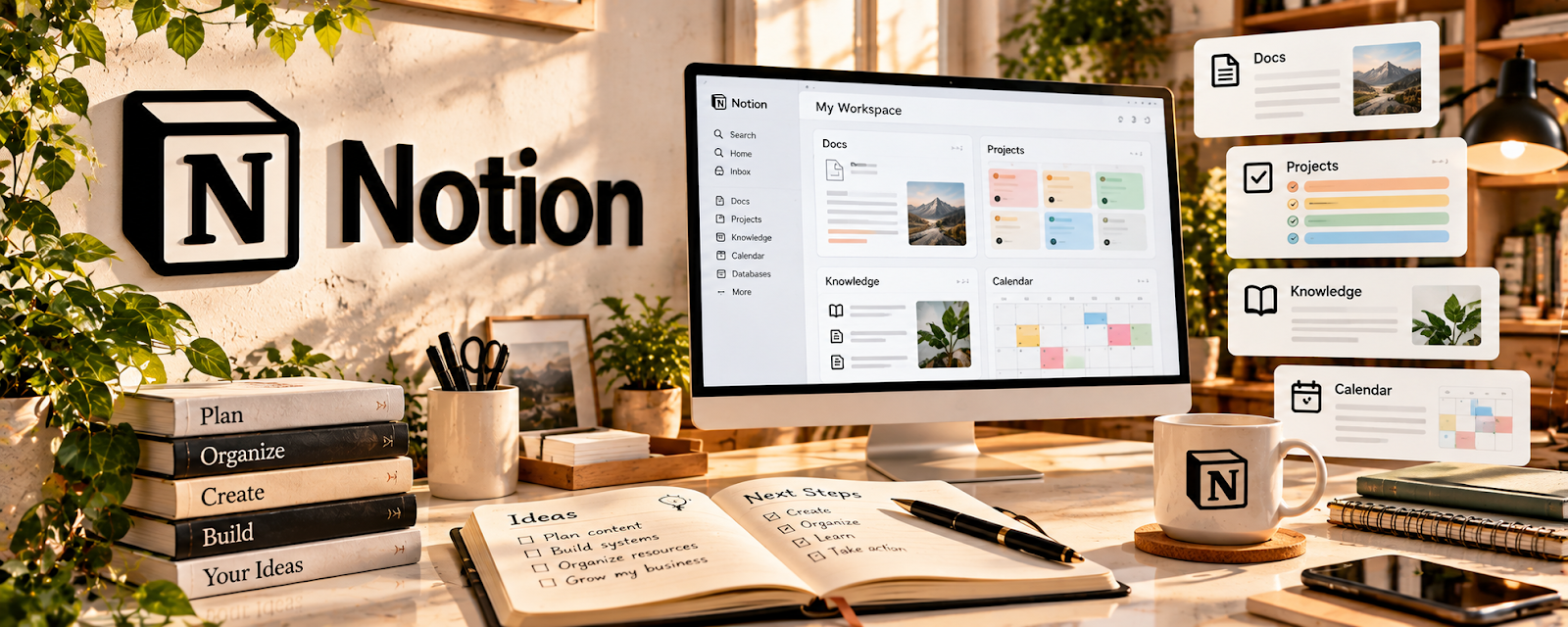
Notion is a workspace tool for notes, databases, and documentation.
🔗 Visit Official Website — Notion
Domain: www.notion.com
What This Website Is
Notion is a workspace tool for notes, databases, and documentation. For 👕 Print-on-Demand, it helps you organize design files, listings, keywords, and production steps in one place.
How to Apply It to Print-on-Demand
Use Notion as your “POD ops hub”: create a database for designs/listings, templates for upload checklists, and a simple weekly review to publish and optimize consistently.
Step-by-Step Implementation:
- Define the stages from original POD design to reviewed listing and fulfillment.
- Create a small design and listing tracker with source files, rights checks, owners, and deadlines.
- Document product specifications, costs, accurate descriptions, and approved mockups before publishing.
- Restrict access and keep private customer records or credentials out of broadly shared pages.
- Review actual listing results, returns, and net costs and update the checklist before expanding output.
When to Use This
- You have many designs and listings
- You need repeatable upload/optimization checklists
- You want one place for files + links + notes
Best Tasks to Use It For
- Design and listing tracking
- Keyword libraries
- Upload checklists
- Weekly publishing reviews
Getting Started Steps
- Create a Designs database (status, niche, file links).
- Create a Listings database (platform, keywords, publish date).
- Add a template checklist for uploads (title, tags, mockups).
- Link each listing to its design.
- Track “needs optimization” items in a view.
- Review weekly: publish, optimize, retire.
- Archive outdated designs quarterly.
Good Beginner Search Terms
- notion print on demand tracker template
- pod listing optimization checklist
- organize design files naming conventions
Monetization Angle
Systematic tracking reduces duplicated effort and helps you publish and optimize faster, increasing total listings and earnings over time.
Pros
- Flexible databases and templates
- Strong documentation for SOPs
- Central hub for files/links
Cons
- Requires upkeep
- Easy to overbuild
Who Should Use This
POD sellers who want a single system for designs, listings, and repeatable publishing workflows.
Who Should Skip This
Anyone who won’t maintain a workspace and only needs a basic spreadsheet.
Practical Applications
- Track each POD design from concept to sample approval and listing.
- Store links to source files, suppliers, variants, and keyword research.
- Use a publication checklist to catch missing descriptions and rights reviews.
Important Considerations
- A workspace does not synchronize supplier availability or orders unless a suitable integration is actually configured.
- Control guest permissions and retain original artwork, licenses, and backups outside a single tracker.
Related Resources
Airtable — Provides a more database-heavy alternative for tracking designs, listings, and optimization status.
Canva / Canva Mockups — Creates POD designs, mockups, listing graphics, and simple product visuals.
 Printful — Print-on-Demand & Custom Product Fulfillment — Produces and fulfills products whose listings and design files Notion can organize.
Related Side Hustles
 Print-on-Demand — Notion organizes design files, listing checklists, keywords, SOPs, publishing schedules, and optimization notes.
Selling Digital Products — Digital product sellers can manage templates, files, launch tasks, and customer FAQs in the same workspace.
 Product Flipping — Flippers can use similar inventory, listing, pricing, and shipping checklists.