Official Website
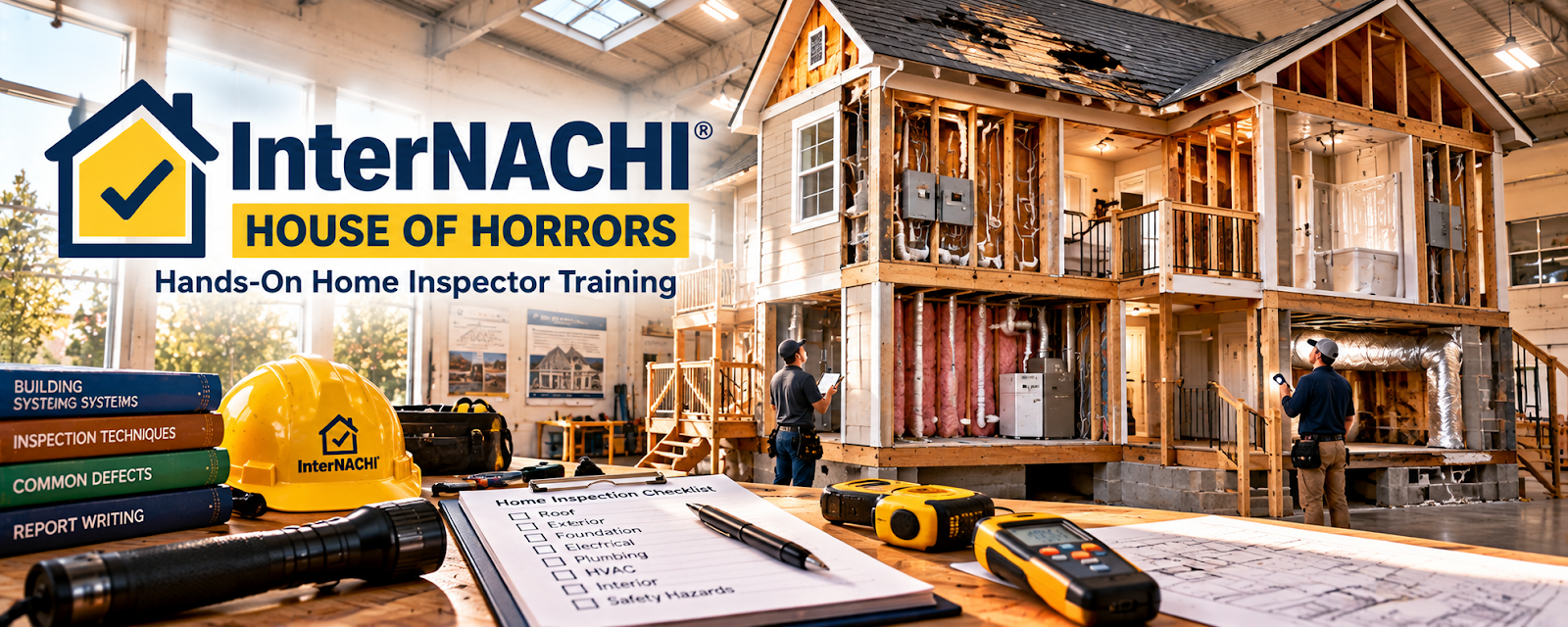
InterNACHI House of Horrors Training is a hands-on inspection and defect-recognition training resource from InterNACHI.
🔗 Visit Official Website — InterNACHI House of Horrors Training
Domain: www.nachi.org
What This Learning Resource Is
InterNACHI House of Horrors Training is a hands-on inspection and defect-recognition training resource from InterNACHI. For 🔧 Handyman & Fix-It Services, it is useful because it helps you spot unsafe conditions, understand building issues, and know when a repair is outside a basic handyman scope.
How to Use It for Handyman & Fix-It Services
Use this as safety and inspection awareness training, not as permission to take on licensed work. The goal is to recognize problems, communicate clearly with clients, and refer out when a job needs a specialist.
Step-by-Step Implementation:
- Study common home defects, unsafe installations, and repair red flags.
- Build a checklist for intake calls and walkthroughs.
- Separate simple fix-it tasks from electrical, structural, plumbing, or code-sensitive work.
- Practice explaining “what I can fix” versus “what needs a licensed pro.”
- Use the training to improve client trust and avoid risky jobs.
- Keep notes on recurring issues you see in local homes.
Best Time to Use This
- Before offering broader home repair services.
- When you want better safety judgment.
- When you need to recognize defects before accepting work.
Best Skills to Learn Here
- Defect recognition
- Home safety awareness
- Client walkthroughs
- Scope boundaries
- Repair risk assessment
- Referral judgment
Getting Started Steps
- Review the training areas that match common handyman calls.
- Write down red flags you should not ignore.
- Create a basic home repair intake checklist.
- Add “refer to licensed professional” triggers.
- Practice explaining findings in plain language.
- Use the checklist before quoting jobs.
Good Beginner Search Terms
- InterNACHI home defects
- handyman safety checklist
- home repair red flags
- basic inspection training
- handyman scope of work
- when to refer licensed contractor
Monetization Angle
Better inspection awareness helps you price jobs more accurately, avoid dangerous work, and earn trust by being honest about scope. Clients are more likely to rebook a handyman who notices issues, communicates clearly, and does not overpromise.
Pros
- Strong safety and defect-awareness angle.
- Helps improve client walkthroughs.
- Useful for avoiding risky jobs.
- Can support more professional service positioning.
Cons
- More inspection-focused than repair-tutorial focused.
- May be advanced for total beginners.
- Does not replace trade licensing or local code knowledge.
- Requires judgment about what work to decline.
Who Should Use This
Use this if you want to become safer, more observant, and more professional when evaluating home repair requests.
Who Should Skip This
Skip this if you only need simple DIY tutorials or are not ready to study home systems and safety issues.
Practical Applications
- Check the current official route to inspection and defect-recognition training.
- Use authorized demonstrations to identify when a repair needs specialist assessment.
- Build a list of training gaps before expanding your handyman scope.
Important Considerations
- The homepage does not establish a particular course’s availability, location, price, or prerequisites; verify these directly.
- Inspection education does not authorize licensed repairs or replace site-specific safety assessment, local codes, or appropriate insurance.
Related Resources
OSHA Ladder Safety — Helps reduce fall risk during home repair work.
 This Old House (YouTube Channel) — Shows practical repair examples and project walkthroughs.
Taskrabbit — Provides a marketplace for small repair and fix-it jobs.
Thumbtack — Helps collect local handyman leads.
Jobber — Supports quotes, scheduling, invoices, and client follow-up.
Related Side Hustles
 Handyman & Fix-It Services: Turn Your Skills into Cash — This training supports safer repair judgment and better client walkthroughs.
 House Cleaning & Organization: Make Money Creating Clean, Tidy Spaces — Home-service businesses share scheduling, client trust, and repeat-service habits.
 Lawn Care & Yard Work: Earn Money Maintaining Outdoor Spaces — Outdoor service work also requires safety checks, quoting discipline, and client communication.