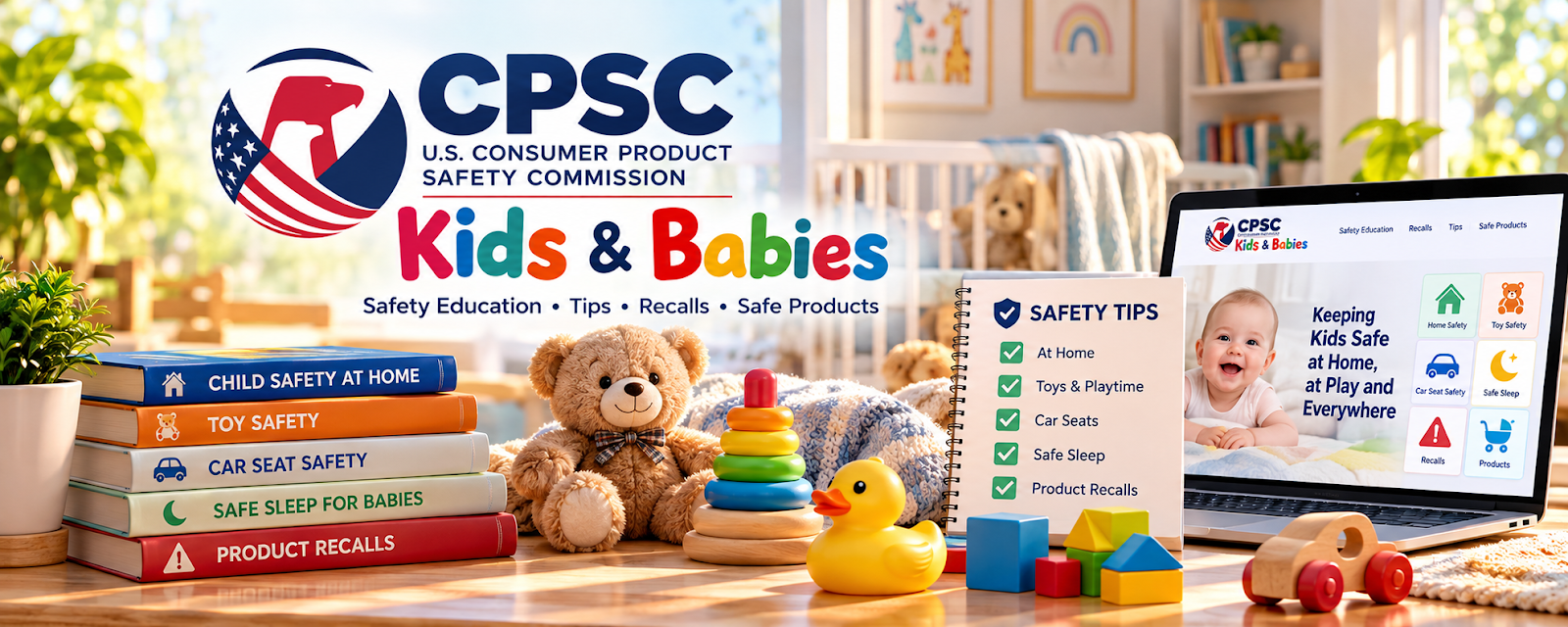
Official Website
CPSC Kids & Babies is a consumer safety resource from the U.S.
🔗 Visit Official Website — CPSC Kids & Babies
Domain: www.cpsc.gov
What This Website Is
CPSC Kids & Babies is a consumer safety resource from the U.S. Consumer Product Safety Commission focused on child and baby product hazards. For 🧸 Babysitting & Caregiver work, it helps you recognize unsafe products, recall risks, and home safety concerns.
How to Use It for Babysitting & Caregiver
Use CPSC Kids & Babies as a safety-reference checkpoint before caring for children. Focus on prevention: sleep spaces, toys, furniture, cribs, choking hazards, recalls, and unsafe household items.
Step-by-Step Implementation:
- Review common baby and child product hazards.
- Add product-safety questions to your family intake checklist.
- Ask about cribs, high chairs, toys, gates, and recalled products.
- Check unfamiliar items before using them with children.
- Share safety concerns with parents or guardians.
- Keep emergency contacts and safety rules easy to access.
Best Time to Use This
- Before babysitting infants or toddlers.
- When working in a home with unfamiliar gear.
- Before using cribs, toys, high chairs, or gates.
- When building a caregiver safety checklist.
Best Skills to Learn Here
- Child product safety
- Recall awareness
- Choking hazard spotting
- Safe sleep awareness
- Family intake questions
- Risk communication
Getting Started Steps
- Open CPSC Kids & Babies.
- Review the highest-risk child product categories.
- Add safety checks to your babysitting intake form.
- Ask families about recalls or product concerns.
- Avoid using items that look unsafe or broken.
Good Beginner Search Terms
- CPSC kids babies safety
- child product recalls
- babysitting safety checklist
- baby gear safety
- toy choking hazards
- safe sleep product safety
Monetization Angle
Safety knowledge helps build parent trust. Being able to spot hazards, ask better intake questions, and follow safer routines can support recurring babysitting work and stronger caregiver positioning.
Pros
- Official safety source.
- Practical for babysitting intake.
- Helps prevent avoidable risks.
- Useful for parent communication.
Cons
- Not a complete childcare course.
- Safety guidance still needs judgment.
- Does not replace first-aid training.
- Some situations require parent or emergency decisions.
Who Should Use This
Use this if you care for infants, toddlers, or young children in homes with toys and baby equipment.
Who Should Skip This
Skip this only if you never provide child-care services or already use a formal safety protocol.
Practical Applications
- Check official safety and recall information for products involved in a care visit.
- Discuss a suspected product hazard with the responsible parent or guardian.
- Add a product-safety check to your pre-visit preparation.
Important Considerations
- Verify the exact model and recall instructions rather than assuming a similar-looking product is affected or safe.
- The resource is not medical or emergency care; stop using a product where official guidance requires it and seek appropriate urgent help when necessary.
Related Resources
CDC Positive Parenting Tips — Adds age-based development and caregiver context.
PBS Kids for Parents — Provides activity ideas for children.
Red Cross CPR, First Aid & AED — Supports emergency readiness.
Related Side Hustles
 Babysitting & Childcare: Flexible Side Hustle Caring for Kids — CPSC safety guidance supports safer caregiver work.
Pet Sitting & Dog Walking: Earn Money Caring for Pets — Both caregiver services depend on prevention and emergency readiness.
 House Cleaning & Organization: Make Money Creating Clean, Tidy Spaces — Home-service work often requires safety awareness around families.