Official Website
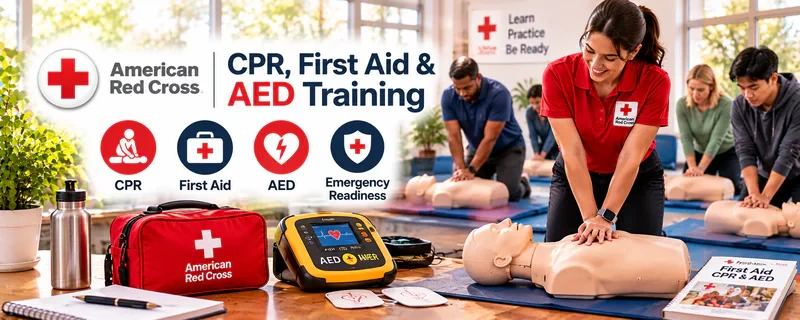
Red Cross CPR, First Aid & AED training teaches emergency response basics, CPR, first aid, AED awareness, and safety practices.
🔗 Visit Official Website — Red Cross CPR, First Aid & AED
Domain: www.redcross.org
What This Learning Resource Is
Red Cross CPR, First Aid & AED training teaches emergency response basics, CPR, first aid, AED awareness, and safety practices. For 🧸 Babysitting & Caregiver work, it can support parent trust and safer care.
How to Use It for Babysitting & Caregiver
Use this as a safety credential and preparedness tool. The goal is not to sound “certified enough” to handle everything; it is to know what to do in common emergencies and communicate safety readiness to families.
Step-by-Step Implementation:
- Choose the Red Cross class format that fits your schedule.
- Complete CPR, first aid, and AED training carefully.
- Save certification records where appropriate.
- Build an emergency contact and allergy checklist.
- Ask families about medications, routines, and emergency instructions.
- Refresh training when the certification expires.
Best Time to Use This
- Before offering babysitting or caregiver services.
- When parents ask about safety training.
- Before caring for infants, children, seniors, or higher-risk situations.
Best Skills to Learn Here
- CPR basics
- First aid response
- AED awareness
- Emergency readiness
- Parent communication
- Safety checklists
Getting Started Steps
- Find a Red Cross CPR, First Aid & AED class.
- Complete the training and assessment.
- Add the credential to your profile or client intake.
- Create a family emergency info form.
- Review safety expectations before each job.
Good Beginner Search Terms
- Red Cross CPR First Aid AED
- babysitting CPR certification
- caregiver first aid training
- child safety first aid
- babysitter emergency checklist
- CPR renewal
Monetization Angle
Safety training can support client confidence, profile credibility, and higher trust with families. It does not replace experience, but it can make you a safer and more responsible caregiver.
Pros
- Recognizable safety organization.
- Useful for caregiver credibility.
- Practical emergency-response training.
- Helps reassure families.
Cons
- Paid classes may be required.
- Certification must be maintained.
- Does not replace childcare experience.
- Emergency response still depends on judgment and local rules.
Who Should Use This
Use this if you babysit, provide caregiving support, or want families to see that you take safety seriously.
Who Should Skip This
Skip this only if you are not offering care work or already have a current equivalent certification.
Practical Applications
- Identify a course covering the child or infant emergency skills relevant to your care work.
- Verify practical assessment and local acceptance before enrolling.
- Keep an accurate record of completed training and renewal dates.
Important Considerations
- CPR, first-aid, AED, pediatric coverage, and delivery formats are not interchangeable; verify exact course contents and credential requirements.
- Training does not replace emergency services, supervision, or individualized care instructions; do not claim credentials you have not earned or kept current.
Related Resources
Udemy — Babysitting Courses — Adds broader caregiver and babysitting preparation.
Bambino — Provides a babysitting marketplace path.
r/Babysitting — Offers peer discussion and practical babysitting scenarios.
Facebook Groups — Can help find local family-care opportunities.
 Babysitting & Childcare: Flexible Side Hustle Caring for Kids — Provides the broader side-hustle path for childcare services.
Related Side Hustles
Babysitting & Childcare: Flexible Side Hustle Caring for Kids — CPR and first aid directly support safer childcare services.
Pet Sitting & Dog Walking: Earn Money Caring for Pets — Safety awareness and trust-building also matter for pet care.
 House Cleaning & Organization: Make Money Creating Clean, Tidy Spaces — Families may hire trusted home-service providers for multiple support needs.