Official Website
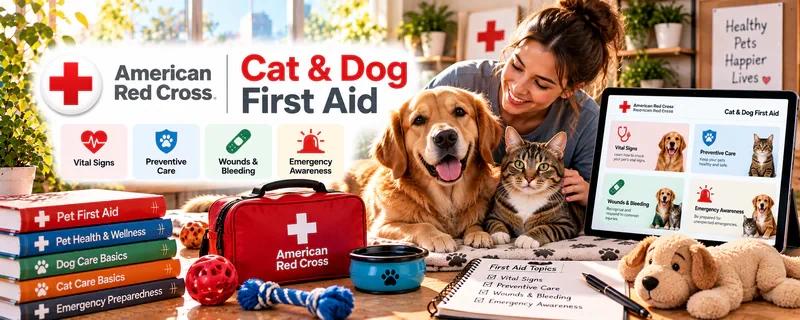
Red Cross Cat & Dog First Aid is a pet safety and first-aid training resource for learning how to recognize emergencies, respond calmly, and understand basic care situations involving cats and dogs.
🔗 Visit Official Website — Red Cross Cat & Dog First Aid
Domain: www.redcross.org
What This Learning Resource Is
Red Cross Cat & Dog First Aid is a pet safety and first-aid training resource for learning how to recognize emergencies, respond calmly, and understand basic care situations involving cats and dogs. For 🐶 Pet Sitting & Dog Walking, it helps a sitter or walker build confidence around safety, observation, emergency preparation, and client trust.
This is not a general business course. Its value is specific: it helps you become a safer, more credible pet-care provider by learning what to watch for, how to prepare for incidents, and when to contact an owner, vet, or emergency resource.
How to Use It for 🐶 Pet Sitting & Dog Walking
Use Red Cross Cat & Dog First Aid to build the safety layer of your pet-care service. The practical goal is to turn training into clear procedures: intake questions, emergency contacts, first-aid kit checks, walk safety habits, incident notes, and client communication.
Step-by-Step Implementation:
- Identify the safety outcome you need, such as emergency readiness, first-aid basics, pet observation, or client trust.
- Choose the relevant lesson, course section, or app material that matches dogs, cats, walking, drop-ins, or overnight care.
- Take notes around warning signs, emergency steps, owner contact rules, vet information, and supplies.
- Complete any quizzes or practice scenarios, then compare the lessons against real pet-sitting situations.
- Turn what you learn into a pet-care intake form, emergency checklist, first-aid kit list, visit note template, or client reassurance point.
- Review your workflow after each booking and update your safety checklist when you notice gaps.
Best Time to Use This
- Before accepting your first pet-sitting, dog-walking, drop-in, or overnight care booking.
- When you want to improve credibility with cautious pet owners.
- When you are moving from casual pet care into paid, repeatable client work.
- When you need a clear emergency process for walks, medication notes, feeding routines, or unexpected behavior.
Best Skills to Learn Here
- Recognizing signs of distress, injury, poisoning, overheating, or illness.
- Preparing emergency contacts, vet information, and owner communication steps.
- Building a pet first-aid kit and knowing when to use it.
- Creating safer walk, drop-in, and overnight care routines.
- Documenting incidents professionally for pet owners.
- Using safety training as a trust signal in pet-care profiles and meet-and-greets.
Getting Started Steps
- Start with the core cat and dog first-aid material.
- Focus first on the situations you are most likely to handle: walks, feeding, medications, heat, injuries, or emergencies.
- Complete one lesson or section at a time and pause to make a checklist.
- Apply each lesson to a real client scenario, pet profile, meet-and-greet question, or visit procedure.
- Save useful emergency steps, supply lists, warning signs, and owner-update scripts.
- Turn the finished work into a safety section in your pet-care profile or client onboarding workflow.
Good Beginner Search Terms
- Red Cross cat dog first aid
- pet first aid course
- dog walking safety checklist
- pet sitting emergency plan
- pet first aid kit checklist
- signs of pet poisoning
- dog overheating symptoms
- pet sitter client intake form
- pet emergency contact template
Monetization Angle
Pet first-aid training can help you earn more by increasing client trust. Owners are more likely to book, rebook, and refer someone who can explain safety procedures, emergency contacts, and what happens if something goes wrong. It can also help you stand out on Rover, Wag!, local Facebook Groups, Nextdoor, or direct-client profiles.
The course does not create bookings by itself. The money comes from using the training to improve your offer: stronger profile copy, safer meet-and-greets, better intake forms, clearer policies, and more confidence charging for reliable pet care.
Pros
- Recognizable safety-focused training from a trusted organization.
- Directly relevant to pet sitting, dog walking, drop-ins, and overnight care.
- Helps create practical checklists, emergency workflows, and first-aid kit standards.
- Can improve client confidence during meet-and-greets.
- Strong complement to marketplace profiles and local pet-care marketing.
Cons
- Not a full pet-care business course or booking platform.
- Does not replace a veterinarian or emergency clinic.
- Some lessons may need refreshing over time.
- Certification or completion alone will not guarantee clients.
- Learners still need policies, scheduling, pricing, insurance decisions, and client communication systems.
Who Should Use This
Use this if you want to offer safer, more professional pet sitting or dog walking and need confidence handling emergencies, owner communication, and basic first-aid preparation. It is especially useful for beginners who want credibility before taking paid bookings.
Who Should Skip This
Skip this if you need advanced veterinary training, behavior certification, or a complete pet-sitting business program. Also skip it if you are not ready to turn the safety material into real procedures for clients and visits.
Practical Applications
- Prepare a pet-care emergency contact sheet with owner and veterinary details.
- Use the learning to review a first-aid kit and a clear emergency-response plan.
- Schedule refreshers and practice only within the course’s instructions and your competence.
Important Considerations
- Confirm current course format, completion terms, and what the training does and does not cover.
- First-aid education does not replace urgent veterinary care. Follow the owner’s instructions, keep emergency arrangements current, and never delay professional help for a serious concern.
Related Resources
Pet Poison Helpline — Supports emergency readiness by giving a clear next-step resource for suspected toxin exposure.
Humane Society Pet Resources — Adds practical animal-care context that helps sitters understand common pet needs and owner expectations.
Rover — Helps apply the training in a marketplace profile where safety, trust, and owner reassurance matter.
Wag! — Gives a dog-walking and pet-care platform where first-aid awareness can support better service quality.
Google Forms — Helps turn first-aid lessons into client intake questions, emergency contacts, vet info, and pet routine forms.
Notion — Stores pet profiles, emergency notes, visit checklists, safety procedures, and recurring client records.
Related Side Hustles
 Pet Sitting & Dog Walking: Earn Money Caring for Pets — This is the direct path: first-aid knowledge improves safety, professionalism, and client trust.
 Gig Economy Apps: Earn Money on Your Schedule Using Your Phone — Pet-care platforms operate like local gig apps, where reliability, ratings, and safe execution affect repeat work.
Babysitting & Childcare: Flexible Side Hustle Caring for Kids — Both involve trust-based care work where safety procedures, emergency contacts, and clear communication matter.