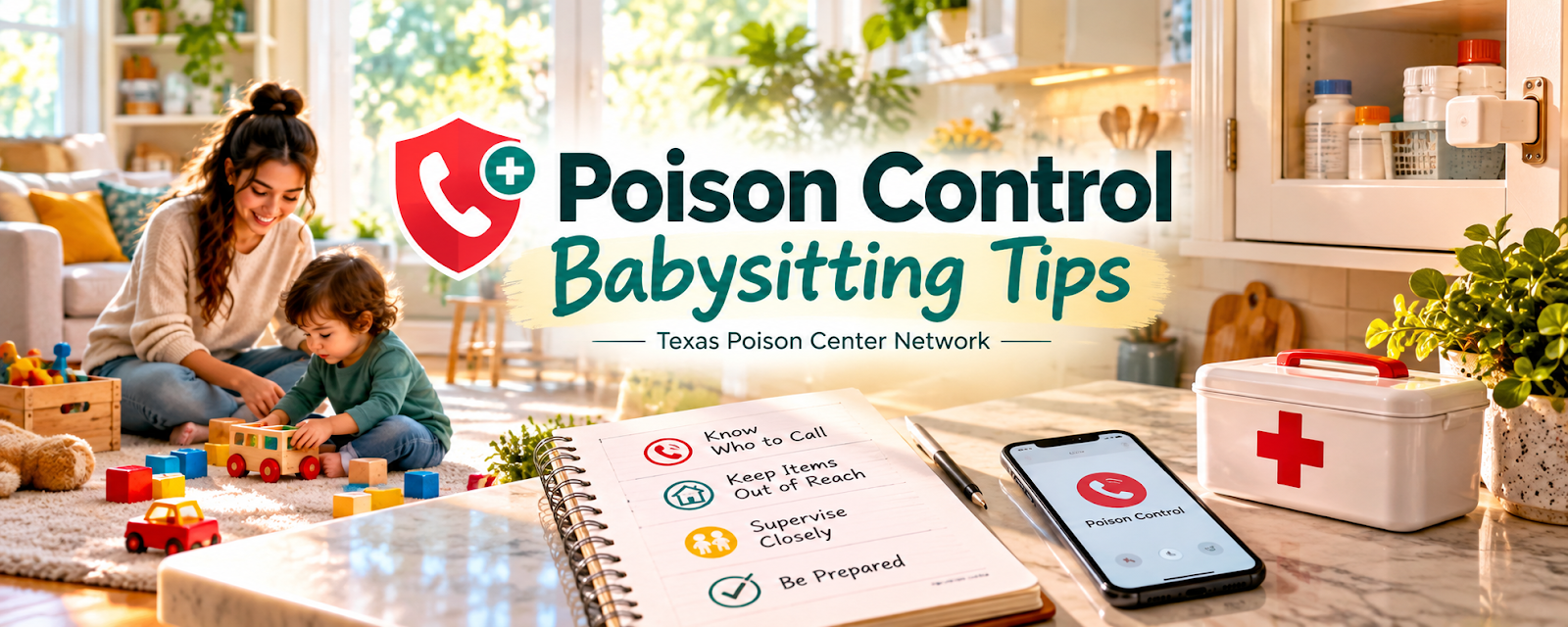
Official Website
Poison Control Babysitting Tips is a safety resource focused on preventing poison exposures and responding appropriately during childcare.
🔗 Visit Official Website — Poison Control Babysitting Tips
Domain: poisoncontrol.org
What This Website Is
Poison Control Babysitting Tips is a safety resource focused on preventing poison exposures and responding appropriately during childcare. For 🧸 Babysitting & Caregiver work, it helps you prepare for household hazards like medications, cleaners, plants, batteries, and personal care products.
How to Use It for Babysitting & Caregiver Work
Use Poison Control Babysitting Tips before accepting childcare jobs in unfamiliar homes. Focus on prevention, emergency numbers, parent instructions, household hazards, and staying calm if exposure is suspected.
Step-by-Step Implementation:
- Review common poison risks in homes with children.
- Add poison-safety questions to your intake checklist.
- Confirm emergency contacts and the Poison Control number.
- Keep chemicals, medications, and small batteries out of reach.
- Supervise children closely in kitchens, bathrooms, garages, and bags.
- Contact parents and Poison Control promptly if exposure is suspected.
Best Time to Use This
- Before babysitting in a new home.
- When caring for toddlers or young children.
- When creating a safety checklist.
- Before handling medications or household products.
Best Skills to Learn Here
- Poison prevention
- Emergency preparedness
- Household hazard awareness
- Parent communication
- Safety checklists
- Calm response habits
Getting Started Steps
- Open Poison Control Babysitting Tips.
- Save the Poison Control number.
- Build a home safety checklist.
- Ask parents where medications and cleaners are stored.
- Review the checklist before each babysitting visit.
Good Beginner Search Terms
- Poison Control babysitting tips
- babysitter safety checklist
- poison prevention children
- childcare emergency contacts
- household hazards toddlers
- babysitting first aid safety
Monetization Angle
Safety preparation helps parents trust you with their home and children. A strong intake checklist and emergency plan can support repeat bookings and referrals.
Pros
- Practical safety focus.
- Useful for caregiver checklists.
- Helps prevent common emergencies.
- Free and easy to reference.
Cons
- Not a complete first-aid course.
- Does not replace CPR or childcare training.
- Requires parent-specific instructions.
- Emergency response rules can vary by situation.
Who Should Use This
Use this if you babysit young children or work in homes with household chemicals, medications, or small objects.
Who Should Skip This
Skip this only if you never provide childcare or already follow a formal childcare safety protocol.
Practical Applications
- Review prevention guidance when preparing a household safety checklist.
- Ask parents where medicines, cleaners, and emergency information are kept.
- Keep the appropriate local poison-control and emergency contacts readily available.
Important Considerations
- Check that emergency contacts and advice apply to your location.
- Follow emergency-professional instructions after an exposure; do not improvise treatment, induce vomiting, or delay urgent help while reading online guidance.
Related Resources
HealthyChildren.org — Adds child health and safety context.
Child Care Aware — Supports childcare quality and parent expectations.
Sesame Street in Communities — Provides activity and emotional-support ideas.
Related Side Hustles
 Babysitting & Childcare: Flexible Side Hustle Caring for Kids — Poison Control tips support safer babysitting.
Pet Sitting & Dog Walking: Earn Money Caring for Pets — Household hazard awareness also helps pet care.
 House Cleaning & Organization: Make Money Creating Clean, Tidy Spaces — Chemical safety overlaps with home cleaning work.